- Main page
- Guides
Lead generation: an ultimate guide to the best strategies and tools
Discover the best tools, tips, and strategies on how to turn your website into a lead generation machine
Part 1
Lead generation: an ultimate guide to the best strategies and tools

Last updated: May 2026.
TL; DR: Lead generation is the process of attracting potential customers and capturing their contact information so your sales team can follow up. For B2B SaaS companies, the most effective methods are inbound: SEO-driven content, website chat, targeted pop-ups, and email sequences triggered by visitor behavior. Companies with a structured lead generation process close 133% more revenue than those without one (HubSpot).
Nowadays, lead generation is about two-way communication when users voluntarily share their contact data and allow you to contact them later. But to interest them, you have to offer something valuable instead 😉
Good to know, in this article, you can find everything about modern lead generation: non-obvious benefits it brings, the best strategies and tools to implement right now. Let’s go!
Want more guides? Here is the Dashly collection. Learn everything about:
What is lead generation?
Lead generation is a process of collecting contacts of people who are interested in your business and product.
Generally, there are several steps that a lead goes through. Let’s take the standard business funnel as an example:
At the Awareness stage, you’ll have to nurture your leads to make them buy from you, including newsletters. The deeper the funnel, the hotter leads you get.
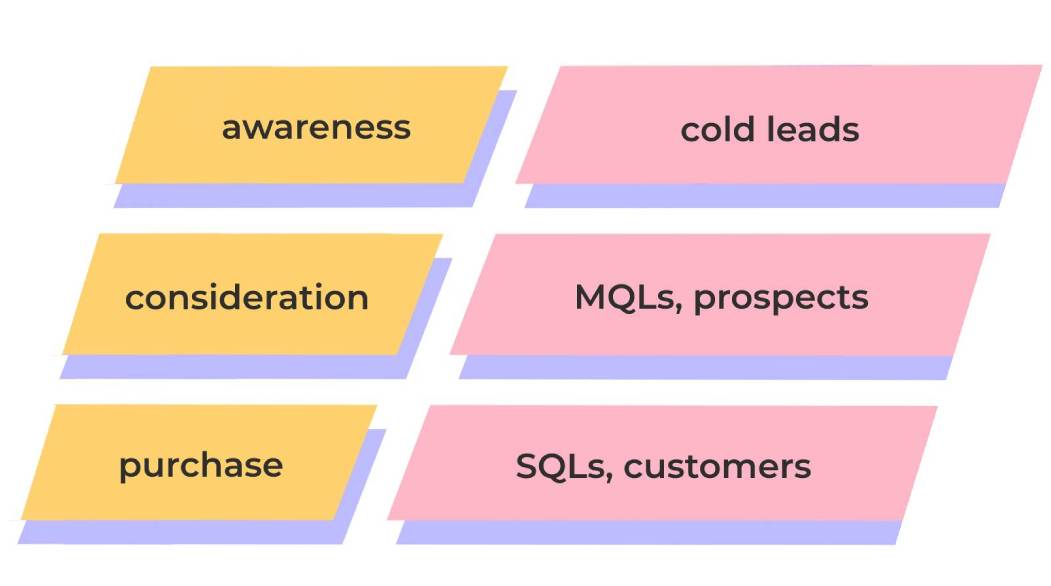
But to define the hottest, you’d better qualify them when collecting.
Also, lead generation allows you to get several types of leads. Let’s consider each of them.
- Cold leads are users who’ve never contacted you and maybe don’t even know about your company. Usually, cold leads are the most expensive for businesses to turn into customers.
- Prospects are users who’ve contacted you once or twice. They don’t know your product in detail, but they’ve shown an interest. Thus, you have all the chances to turn them into your customers.
- MQLs (Marketing Qualified Leads) are leads that may become your customer or at least SQL in case you nurture them enough — for example, by newsletters, guides, webinars, and so on.
- SQLs (Sales Qualified Leads) are users who are ready to talk with the sales team. They may have researched your product and shown enough interest in it. Also, such leads are often scored and qualified by your marketing team before being passed to a sales team.
- Customers are your goal. These leads generate revenue for your further business development.
Why lead generation matters for B2B growth: key stats
Lead generation is a fundamental thing of business revenue. The better your lead generation, the more income you’ll get. If that’s not enough, there are some more arguments to consider while launching lead generation:
- Expand your market
Lead generation is impossible without knowledge of your target audience and market. The more you communicate with leads from your base, the better you understand who is your potential customer and who is not. All this gives you a clear picture of what market segments to focus your marketing efforts.
- Collect more customer reviews
The better you set up lead generation processes, the more customers you get. It means that you’ll be able to collect more reviews from them. As a result, more website visitors will trust you and share their contact data.
- Create more business opportunities
Thanks to active lead generation, you’ll have a good-quality mailing list. This is a good argument to build strong partnerships with other brands and spread the word about your products.
Sounds good, isn’t it? Time to generate leads!
The B2B lead generation process: a step-by-step framework
Understanding the lead generation process helps B2B teams build a repeatable system rather than running one-off campaigns. Most high-performing B2B SaaS teams follow a four-stage framework.
Step 1: Define your ideal customer profile
Before running any campaign, lock down who you are targeting. For B2B SaaS, an ICP typically covers: company size (e.g. 20-200 employees), buying role (Head of Sales, VP Marketing, or Head of CX), the pain trigger that makes them look for a solution, and the tools they already use (HubSpot, Pipedrive, Salesforce). A clear ICP reduces wasted lead gen spend by filtering out traffic that will never convert.
Step 2: Attract and capture leads
Drive traffic through SEO, paid search, and referral channels, then convert it with capture mechanisms on your website: a qualifying chatbot on your demo landing page, a targeted pop-up with a relevant offer, or a free trial sign-up form. AI Qualifier Agents handle the initial conversation automatically, qualifying every visitor 24/7 without manual effort from your sales team.
Step 3: Qualify and score leads
Not every lead is ready to buy. Apply a lead score based on two dimensions: fit score (how well the lead matches your ICP) and intent score (what they did on your website — pages visited, content downloaded, demo requested). Marketing Qualified Leads (MQLs) that hit a threshold move to Sales Qualified Lead (SQL) status and get handed to a sales rep. Dashly’s AI Qualifier Agent automatically assigns tags and scores based on conversation data and behaviour signals.
Step 4: Nurture and convert
Leads who are not yet ready for a conversation go into a nurture sequence — typically 3-5 emails triggered by their behaviour. Hot leads get an immediate handoff to CRM with a Slack notification to the sales rep. AI SDR Agents close the gap between a website visit and a booked demo by sending personalised follow-ups and placing calendar slots in front of the lead before a competitor does.
Inbound vs outbound lead generation: which works better for B2B SaaS
Before choosing tactics, understand the fundamental difference between the two approaches. For a deeper dive, see our full guide: Inbound vs outbound lead generation.
| Inbound | Outbound | |
|---|---|---|
| How leads find you | Through content, SEO, referrals | Cold outreach: email, calls, ads |
| Cost per lead | Lower over time | Higher, scales with spend |
| Lead quality | Higher intent — they came to you | Variable, depends on targeting |
| Time to first results | 3-6 months | Days to weeks |
| B2B SaaS fit | Best for PLG and demo-driven models | Best for enterprise and ABM plays |
| Automation potential | AI Qualifier Agents handle 100% of inbound | AI SDR Agents automate cold sequences |
Most B2B SaaS teams that scale beyond $1M ARR run both — inbound for efficient pipeline from high-intent traffic, outbound for targeted enterprise accounts. The strategies below focus on inbound, where AI-powered qualification delivers the highest return.
5 proven B2B lead generation strategies for 2026
So how can you come up with new strategies for lead generation? Dashly expert has an answer 👇
Monitor your competitors. Steal like an artist: you may find inspiration in your competitors’ campaigns. Implement the best practices to your lead generation strategy to capture more leads.

So, we found a few examples of amazing lead generation strategies for your inspiration. Some of them fit eCommerce, some are for SaaS or EdTech. Sure thing, there are proven lead generation tactics that meet each industry.
Let’s take a look!
Lead generation strategy #1: Offer a discount
This strategy will be useful for attracting leads who already know your product and may be ready to buy from you. The main thing in this lead generation strategy is collecting their emails to send discount codes.
Companies place banners with discounts on websites. Here is an example of how MasterClass does this:
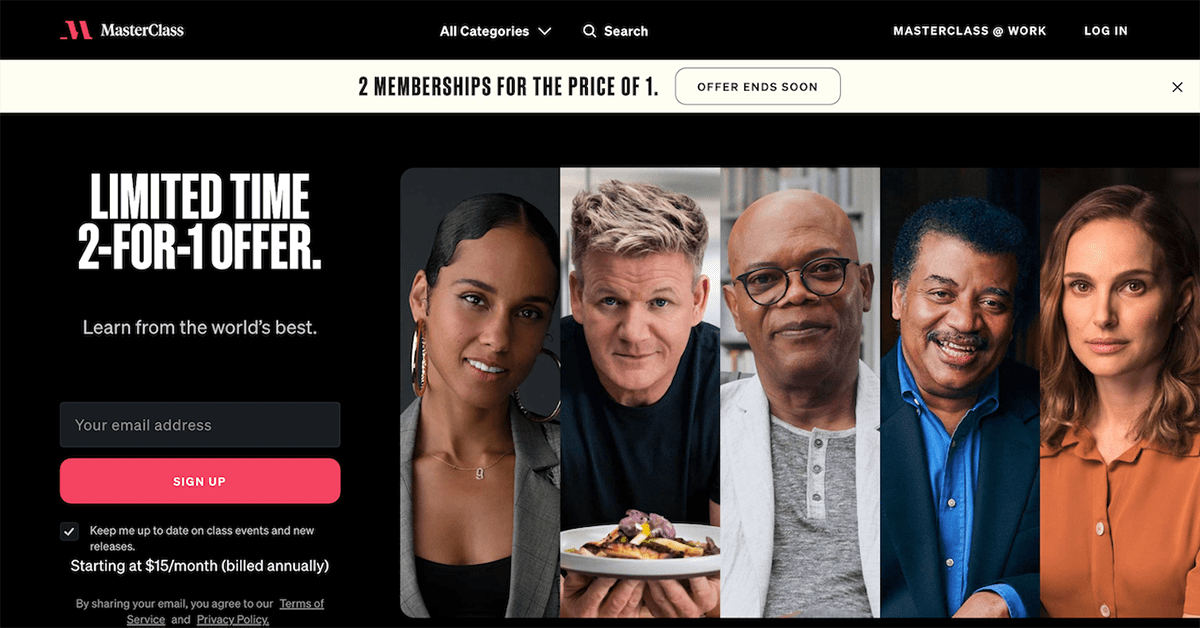
After clicking on a banner, users land on the special lead generation page with a lead form where they should leave an email to get the discount.
However, the problem with such a method is banner blindness. People just ignore your offer, no matter how good it is.
The fix?
Spark a conversation with your website visitors. Include a chatbot into your lead generation strategy: it will engage more leads due to its proactivity and collect all the data needed.
Lead generation strategy #2: free trial
A free trial is an excellent way to let users feel the value of your product and its features. Moreover, it is an exceptional opportunity to collect more users’ data during registration.
Usually, to boost lead generation, companies publish info about free trials on the Pricing/Main/Sign-up page. To engage visitors to register, they launch a chatbot because it is impossible to ignore such a charming assistant. Just look Dashly team uses this strategy:
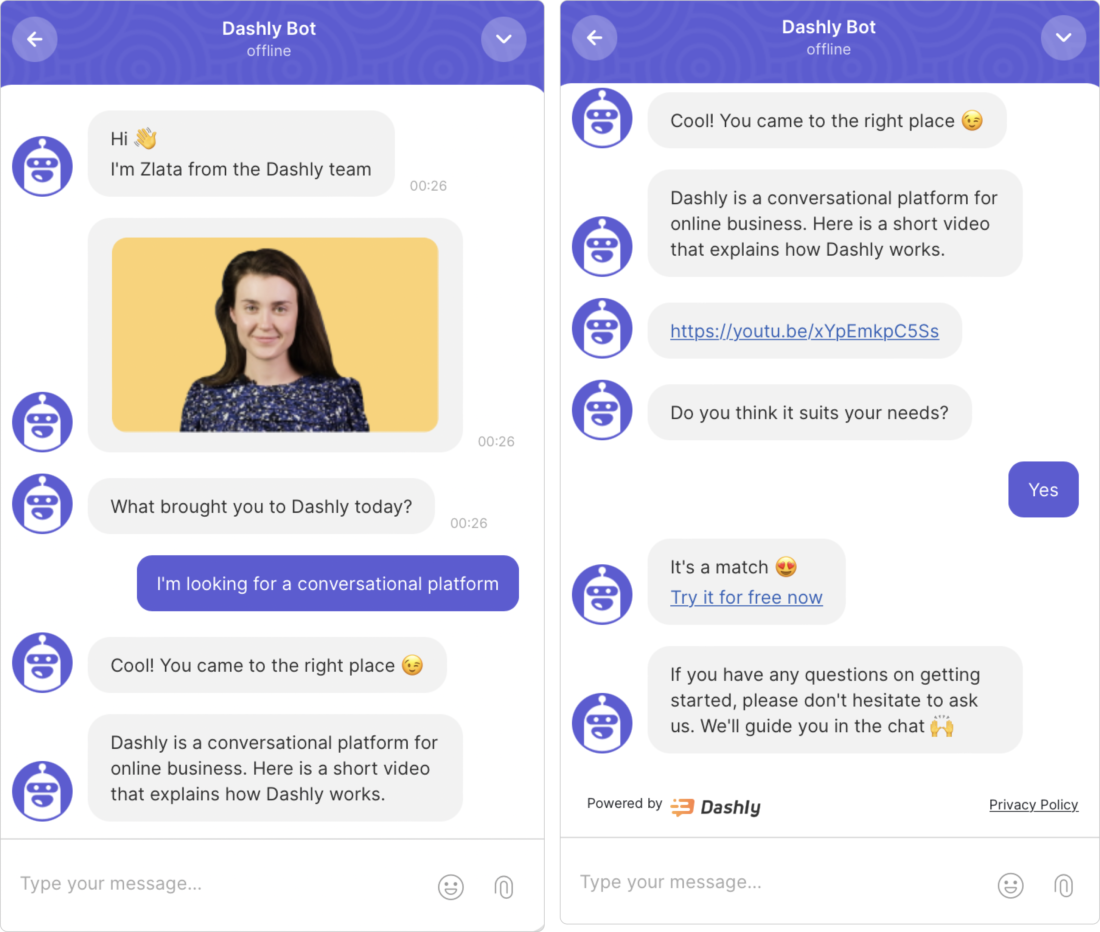
This lead generation strategy works well with SQLs.
Lead generation strategy #3: lead magnets
Who doesn’t like free books, checklists, guides, or templates? Users love this for the exceptional opportunity to get expert knowledge for free, while companies see it as a way to collect more target contacts. A win-win situation.
For example, here is the most popular lead magnet among Dashly blog readers:
Thanks! Now check your inbox

What’s good about this lead generation strategy is that you can use lead magnets on every page. In addition to lead generation forms, marketers use pop-ups and chatbots.
This lead generation strategy works well with cold leads and prospects.
Lead generation strategy #4: free webinars
This lead generation tactic is about showing expertise in your area. As we said, people enjoy learning something new. So you’re likely to get lots of signups from potential customers.
What’s good about this lead generation strategy is that you can make a partnership with a related company and combine your audiences.
Another advantage of webinars is content repurposing. You can turn recordings into YouTube videos or blog articles to collect more leads even after the event is over.
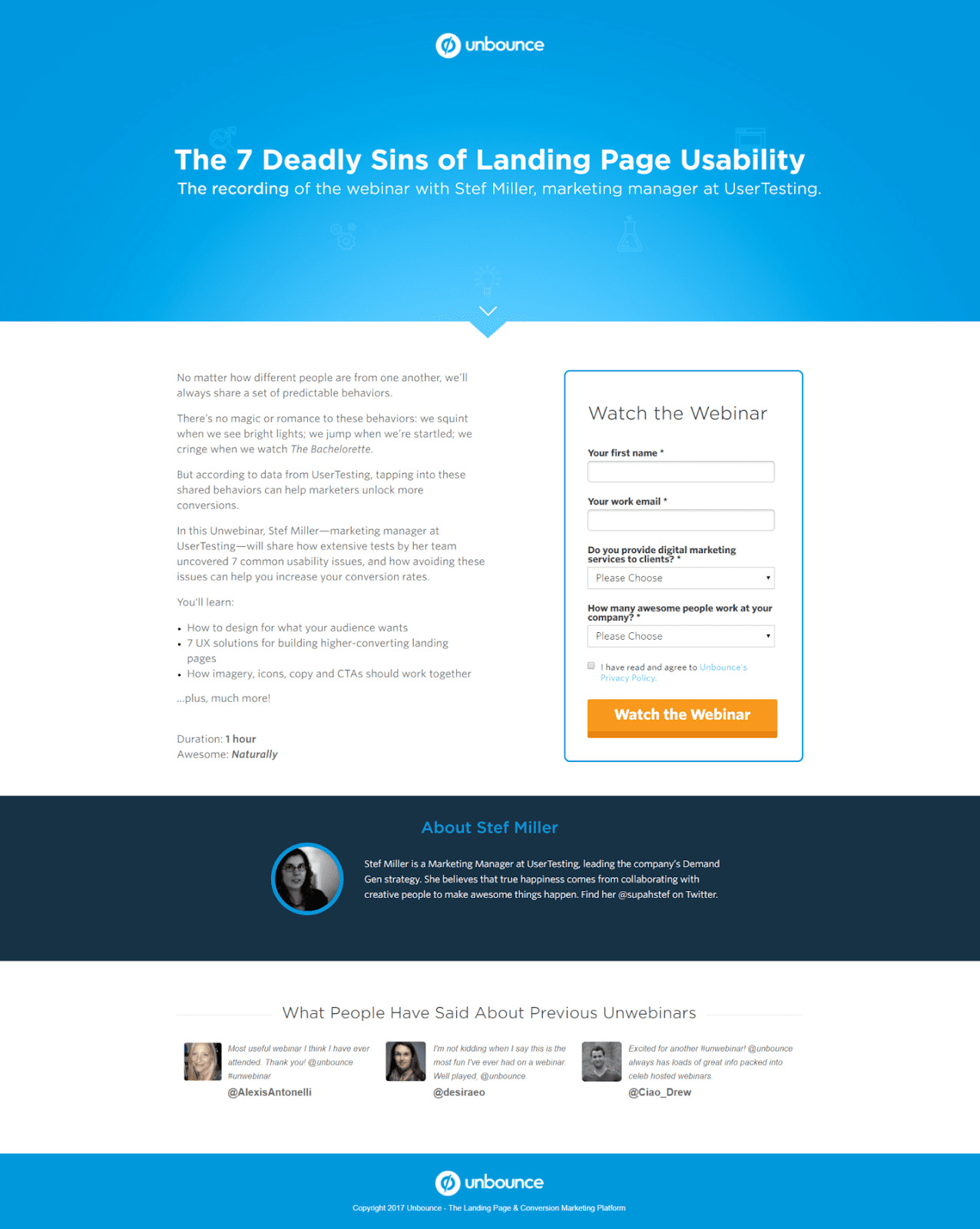
Usually, marketers use SEO or Ads to attract people to a relevant landing page with a lead form to register for a webinar.
But if you already have good traffic, it is better to launch a relevant pop-up or a chatbot on your website pages.
Here is how Thinkific collects all the essential data and passes it to your sales team.
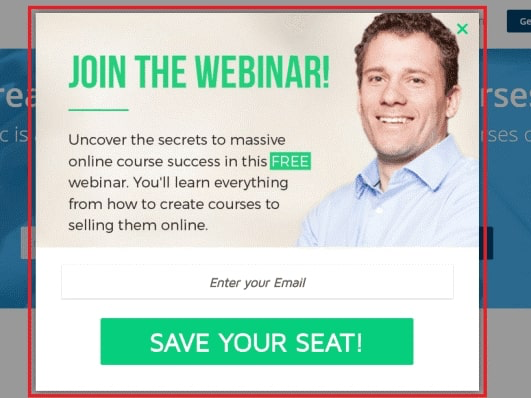
This lead generation strategy works well with prospects and MQLs.
Lead generation strategy #5: website assessment
This is another lead generation technique that’s recently become popular.
Each business wants to find its weak points and eliminate them. So help them to do it. Show your expertise and conduct a free assessment of the brand website/socials/emails/etc.
In addition to actual recommendations, you can advise your product or service as a solution. It’s beneficial for both you and your website visitors. They get insights on their business improvement. And you capture leads.
Since it is a top of the funnel offer, publish it on the main page, blog, and dedicated landing page. But avoid punting it to pricing or product pages.
For example, obviously, this article is about lead generation basics at top of the funnel. As a reader, you may not know about our conversational platform tools. But we know that you’re interested in lead generation. Good to know, we have a special offer for such visitors: our experts help businesses with free consultations on how to improve website lead generation.
Thus, we put a relevant banner here 👇

This lead generation strategy works well with MQLs and SQLs.
Wanna more lead generation strategies for your website?

4 real lead generation examples from B2B SaaS teams
Sure thing, there are industries requiring a specific lead generation approach. In such a case, the Dashly implementation team builds a unique lead generation campaign according to the company’s needs. For your inspiration, here we’ve collected the best practices from our SaaS, Agencies, EdTech, or eCommerce clients.
Lead generation for SaaS
Lead generation can boost signups in SaaS up to 70% — before using a chatbot, the Conversion Rate was only 20%.
Here is a lead generation case study of an online Instagram account audit platform. The goal was to increase the conversion to signup on the website. In this case, a chatbot has come in handy.
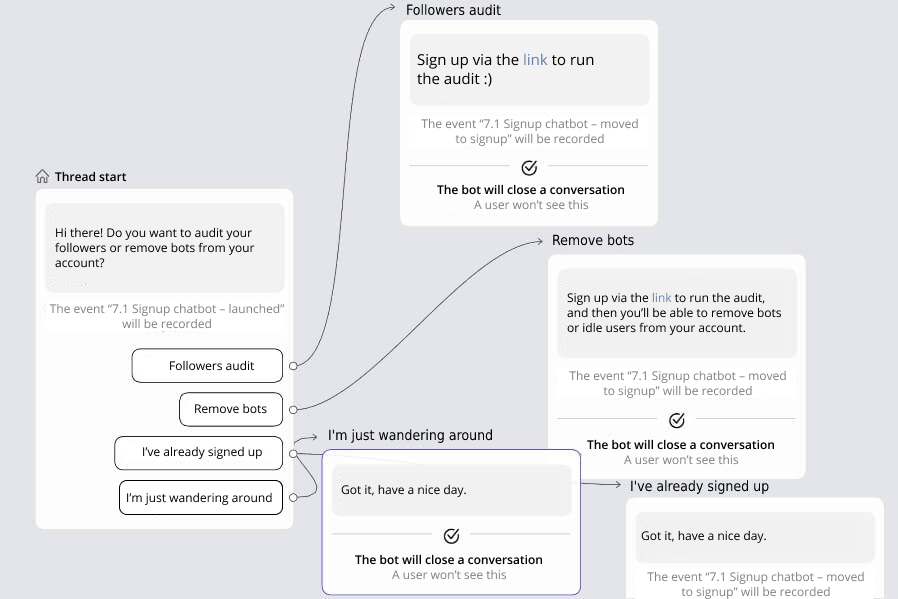
After developing campaigns and launching a chatbot just in two weeks, the conversion to signup increased by 36%, then by 70%.
Thanks! Now check your inbox

Lead generation for agencies
It’s a success story of the Kflwebdesign agency. The goal was to get as much customer data as possible.
Together with the customer, we launched a discount pop-up. This is one of the most simple lead generation practices, but it still works.
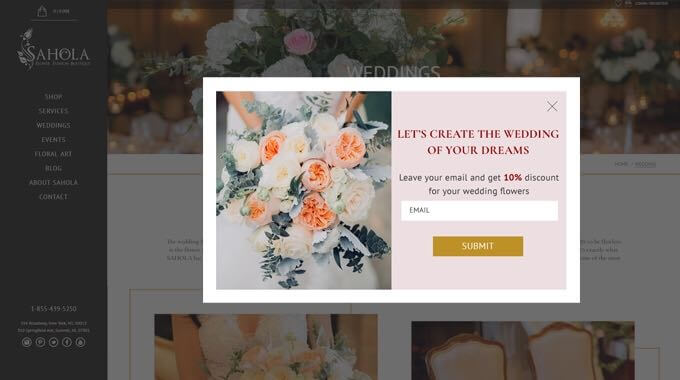
As a result, the pop-up collected 337 new emails. Later, 27% of these leads converted into buyers.
Lead generation for EdTech
The hero of this case study is SkillFactory, a digital school for Data and IT specialists. One of the main tasks was to collect quality leads.
To boost lead generation, a marketer added a chatbot to the pages of the most popular courses. It engaged website visitors in the conversation and dealt with FAQs, asking for email at the end of the conversation.
Depending on a page, it collected emails from up to 22% of all the users who’ve seen the message.
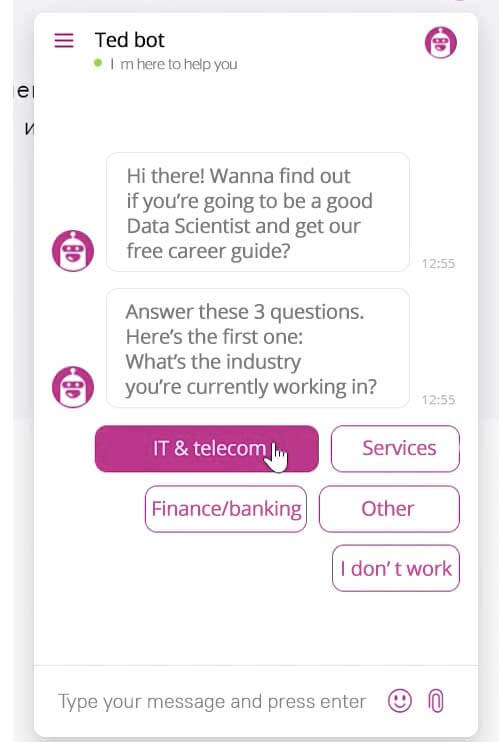
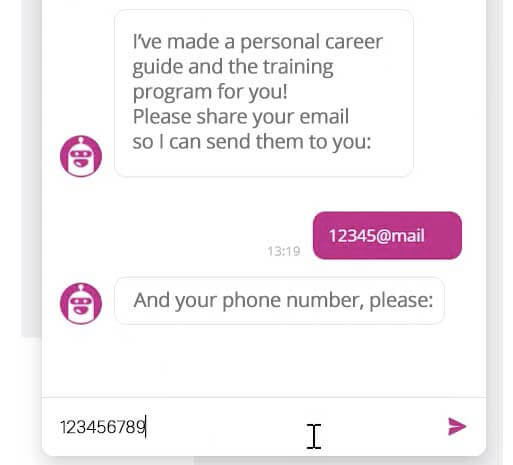
Overall, the conversion to payment increased by 44%.
Thanks! Now check your email

Lead generation for eCommerce
And last but not least: eCommerce.
Dashly customer He&She combined pop-ups and a chatbot to boost lead generation. The company decided to carry out an experiment and find out which campaign would perform best.
The most successful pop-up brought 3 111 new leads.
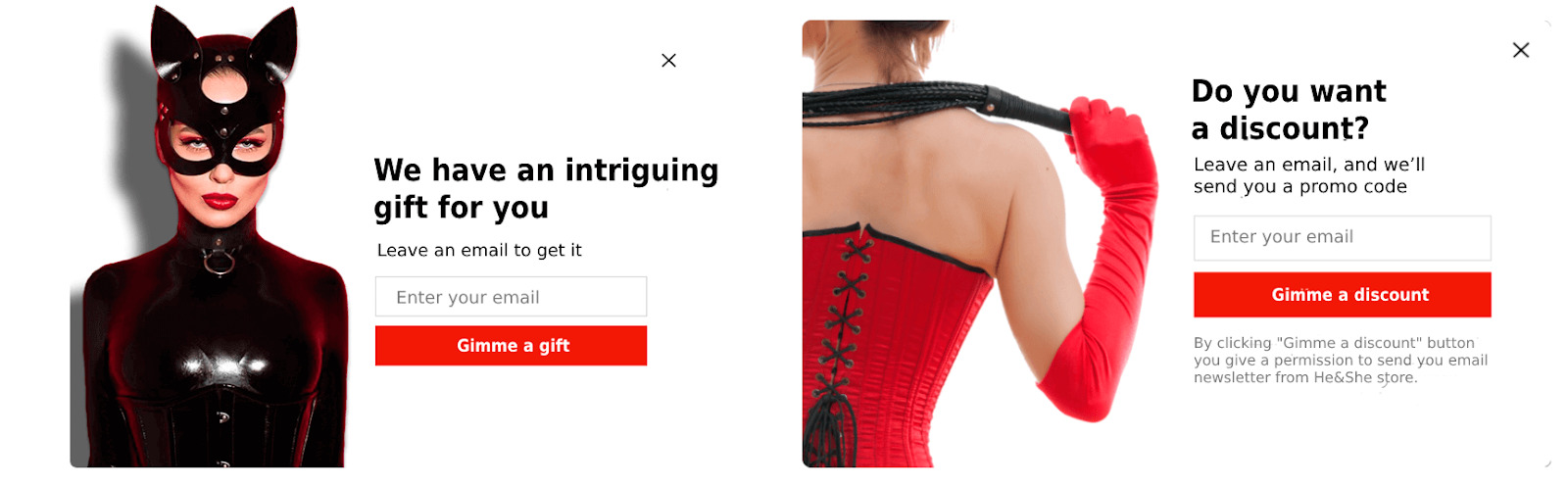
The chatbot engaged in the conversation with 690 prospects.
Since most of the traffic was mobile users. The customer launched a banner for mobile users. It caught other 375 leads:

As a result, over 4k potential customers with three easy-to-set-up tools.

10 lead generation tools to automate your pipeline
Here is a quick comparison of all 10 tools before we go into detail on each:
| Tool | Best for | Starting price | Free trial | AI-powered |
|---|---|---|---|---|
| Dashly | B2B SaaS inbound qualification | Custom pricing | 7 days | Yes — AI Qualifier + SDR Agents |
| HubSpot | Full marketing suite | From $50/mo | Yes | Yes |
| Drift | Enterprise chatbot | Custom | No | Yes |
| Sendinblue | Email-first lead nurturing | From $25/mo | Yes | Limited |
| OptinMonster | Pop-up lead capture | From $9/mo | No | No |
| Tidio | E-commerce live chat | From $19/mo | Yes | Limited |
| EngageBay | SMB CRM and marketing | From $14.99/mo | Yes | No |
| Zendesk Reach | Support and sales combo | From $19/mo | Yes | No |
| Agile CRM | SMB automation | From $14.99/mo | Yes | No |
| Freshdesk | Support-led lead capture | From $29/mo | Yes | No |
Dashly — AI inbound revenue agents for B2B SaaS
Dashly is a team of AI inbound revenue agents that handles qualification, follow-up, and demo booking for B2B SaaS teams — 24/7, without adding headcount. The AI Qualifier Agent engages every visitor the moment they land, asks qualifying questions, and routes hot leads directly to sales. The AI SDR Agent follows up with leads who did not convert, sends personalised sequences, and books meetings from your calendar overnight.
Dashly lead generation capabilities
- AI Qualifier Agent — qualifies inbound leads from your website 24/7, routes high-intent visitors to sales, no manual work needed
- AI SDR Agent — follows up with leads automatically, sends personalised sequences, and books demos into your calendar
- Pop-up and trigger campaigns — behaviour-based targeting to engage visitors at the right moment
- Live chat — real-time conversations for visitors who need a human touch before signing up
- Triggered email campaigns — automated sequences that reach out to leads based on their behaviour and keep them engaged
- CRM integrations — pushes qualified leads and conversation history to HubSpot, Pipedrive, and Salesforce automatically
Pricing: custom pricing
Free trial: 7 days. Pricing depends on website traffic and the set of agents you need — see the pricing page for details.
Pros and cons
- AI Qualifier and SDR Agents qualify and route leads 24/7 — no SDR time wasted on non-target prospects.
- Unlimited agent seats — the whole sales and support team works in one dashboard at no extra cost.
- Visual builders for chatbots, pop-ups, and email flows — no developer required.
- 30+ integrations with CRM, social media, and messengers.
- Setup for complex multi-step scenarios takes a few hours (per user reviews).
- Best suited for B2B SaaS and Real Estate — less relevant for pure e-commerce (per G2 reviews).

Drift lead generation platform
As a lead generation instrument, Drift sticks to the conversational marketing approach. It provides tools for building trust between a business and customers, helping generate more revenue.
The solution will perfectly suit B2B companies from the mid-sized and enterprise segment.
Drift lead generation tools
- Chatbot,
- live chat,
- user data tracking,
- triggered email campaigns.
Drift pricing
Free trial: not available.
Free plan: available.
To get the exact pricing, you’ll have to book a demo with sales reps.
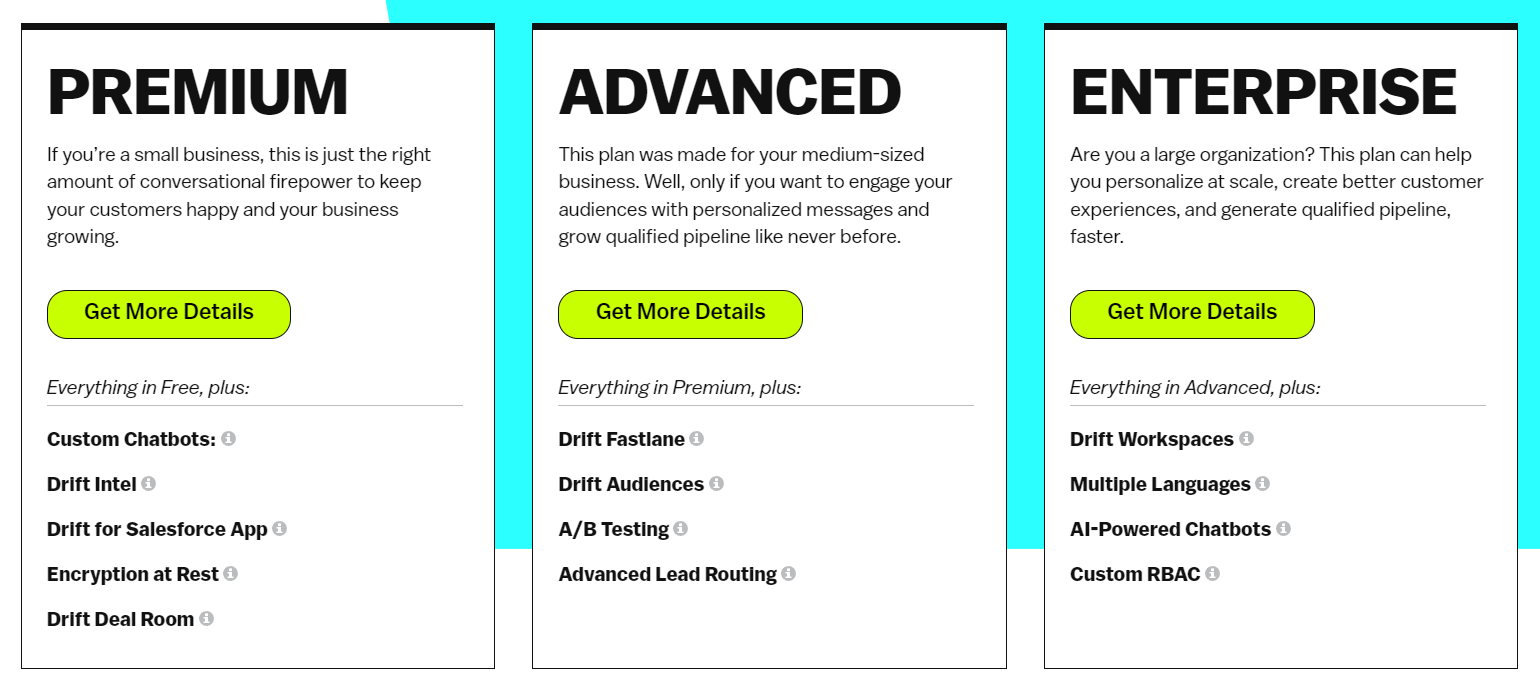
But according to users’ reviews, the pricing starts from $400, but consider that Drift offers only annual accounts.
If you’re a startup with less than 50 employees, and your business is less than 5-year-old, you can get a 97% discount (but again, the contract is annual).
Pros and cons
- Easy to launch and use;
- Friendly customer support;
- Lots of tools.
- Non-transparent pricing — you can’t find out how much you’ll pay till you contact sales reps;
- The code may slow down the speed of your website loading;
- Has some troubles with targeting.
Hubspot
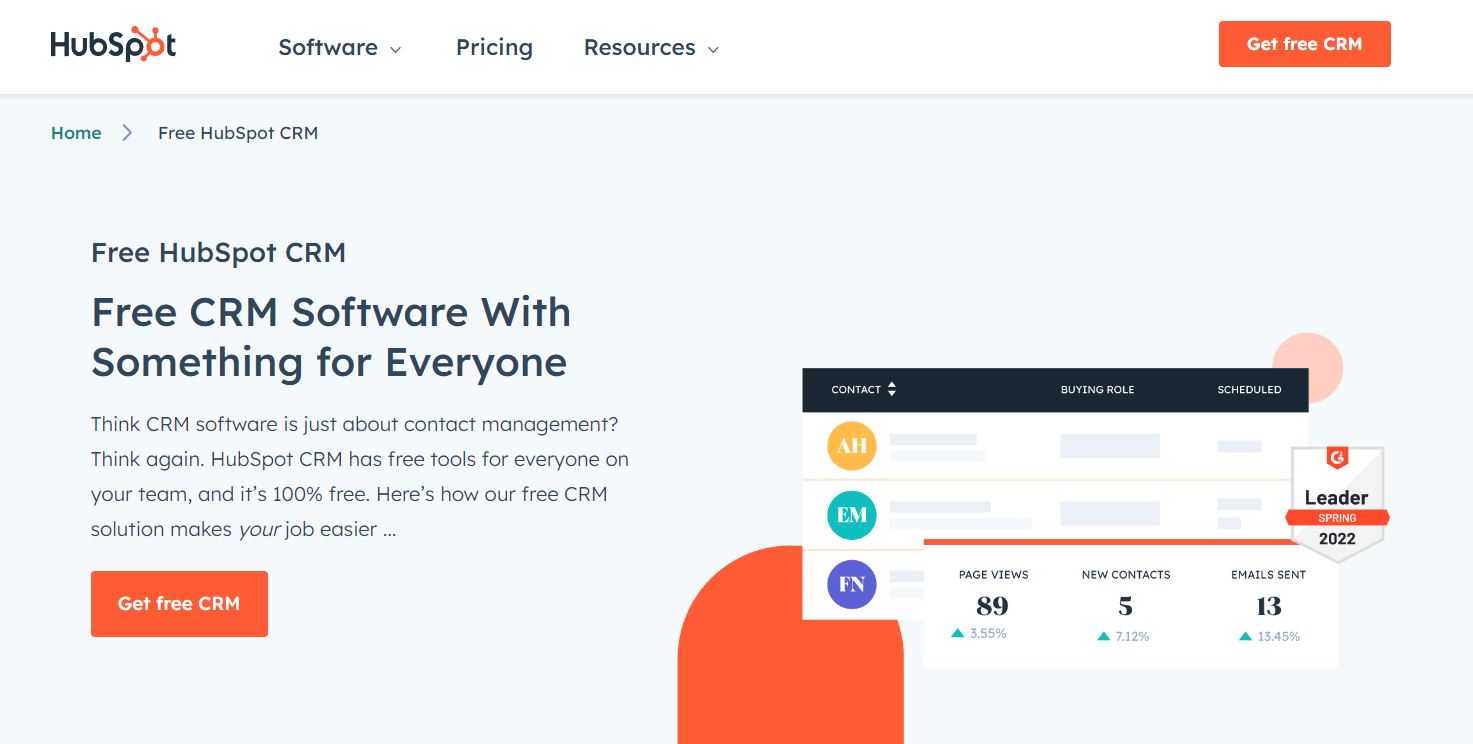
If you’ve ever searched for a lead generation platform, you must have heard about Hubspot. It offers lots of different services for marketing, customer support, and sales, including lead generation tools.
The solution may be affordable for mid-size and enterprise businesses in any industry.
Hubspot lead generation tools
The platform offers a wide range of features:
- chatbots,
- lead forms and landing pages,
- live chat,
- lead generation CRM
- triggered email campaigns,
- Facebook, Google, and LinkedIn ads.
Hubspot pricing: from $50/mo
Free trial: 14 days.
Free plan: available.
There are three paid plans for boosting lead generation. The free plan offers limited functionality for free.
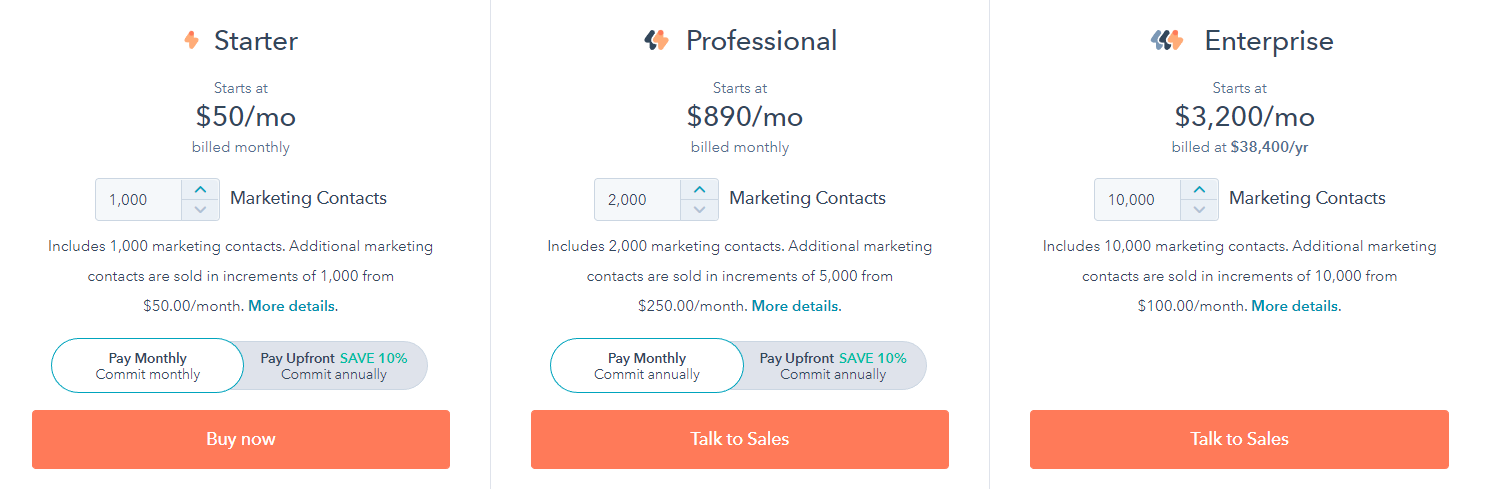
The final price depends on the number of your marketing contacts — the number of users you’ll send emails or ads to.
Pros and cons
- Friendly interface, easy to set up;
- Free plan;
- Lots of features and add-ons.
- Expensive plans and add-ons;
- Non-comprehensive analytics;
- Lack of customization of admin panel and tools.
Zendesk Reach
Zendesk offers lots of services; one of them is Zendesk Reach, that will help you boost your lead generation strategy no matter how large your business is.
Zendesk lead generation tools:
- CRM,
- email sequences,
- live chat,
- integrations.
Also, if you have a chatbot, you can integrate it with Zendesk tools.
Zendesk pricing: from $19/mo
Free trial: 30 days.
Free plan: not available.
There are four paid plans; the price starts from $19/mo and depends on the number of users you add.
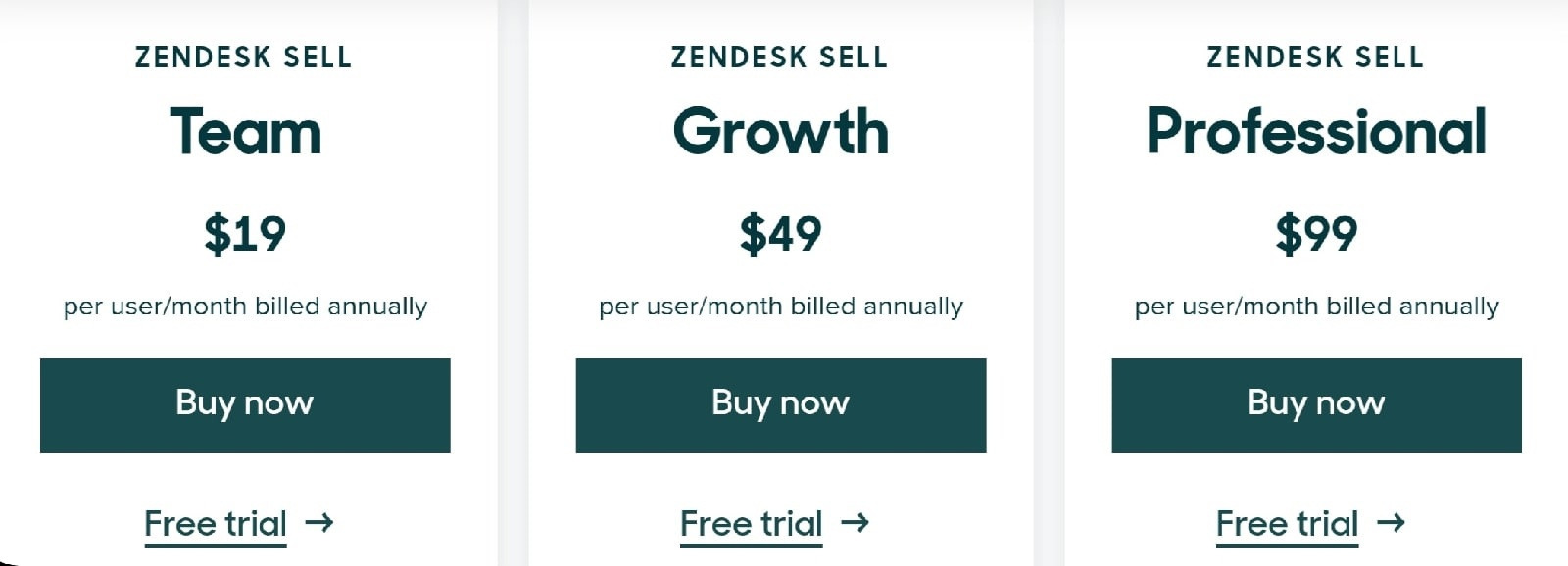
Zendesk lead generation pricing
Pros and cons
- Lots of tools available;
- Easy to configure and use.
- The pricing suits mostly enterprise;
- Customer service may come unresponsive;
- Very expensive reporting.

Freshdesk
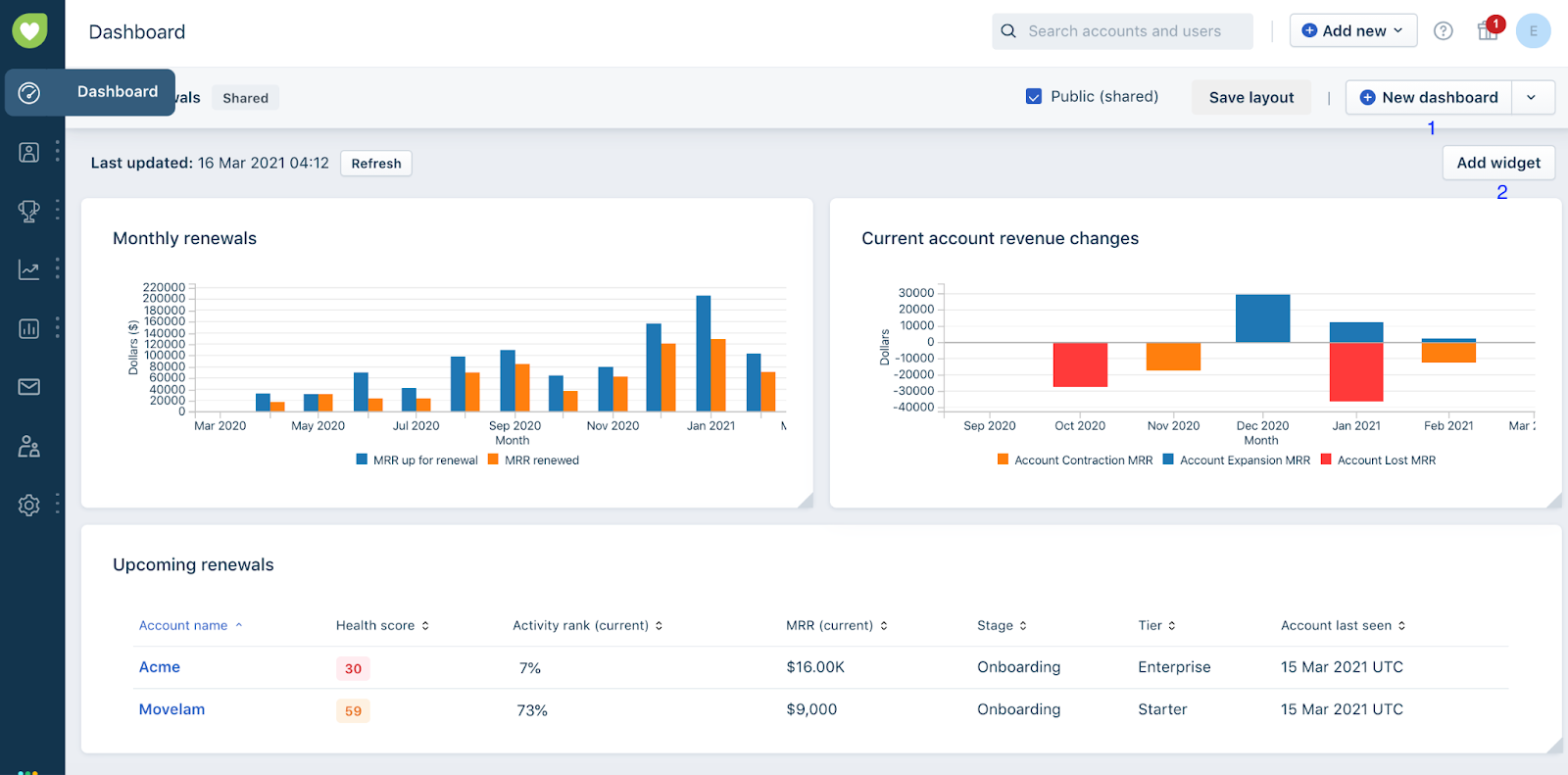
This lead generation platform mostly focuses on marketing and customer support. The software allows combining several communication channels and collecting leads from each of them.
The solution will suit all sizes of businesses, mostly for eCommerce and IT.
Freshdesk lead generation tools:
- email chatbot and email marketing;
- custom dashboards;
- live chat;
- ready-made lead forms;
- chatbot with templates.
Freshdesk pricing: from $29/mo
Free trial: 21 days.
Free plan: not available.
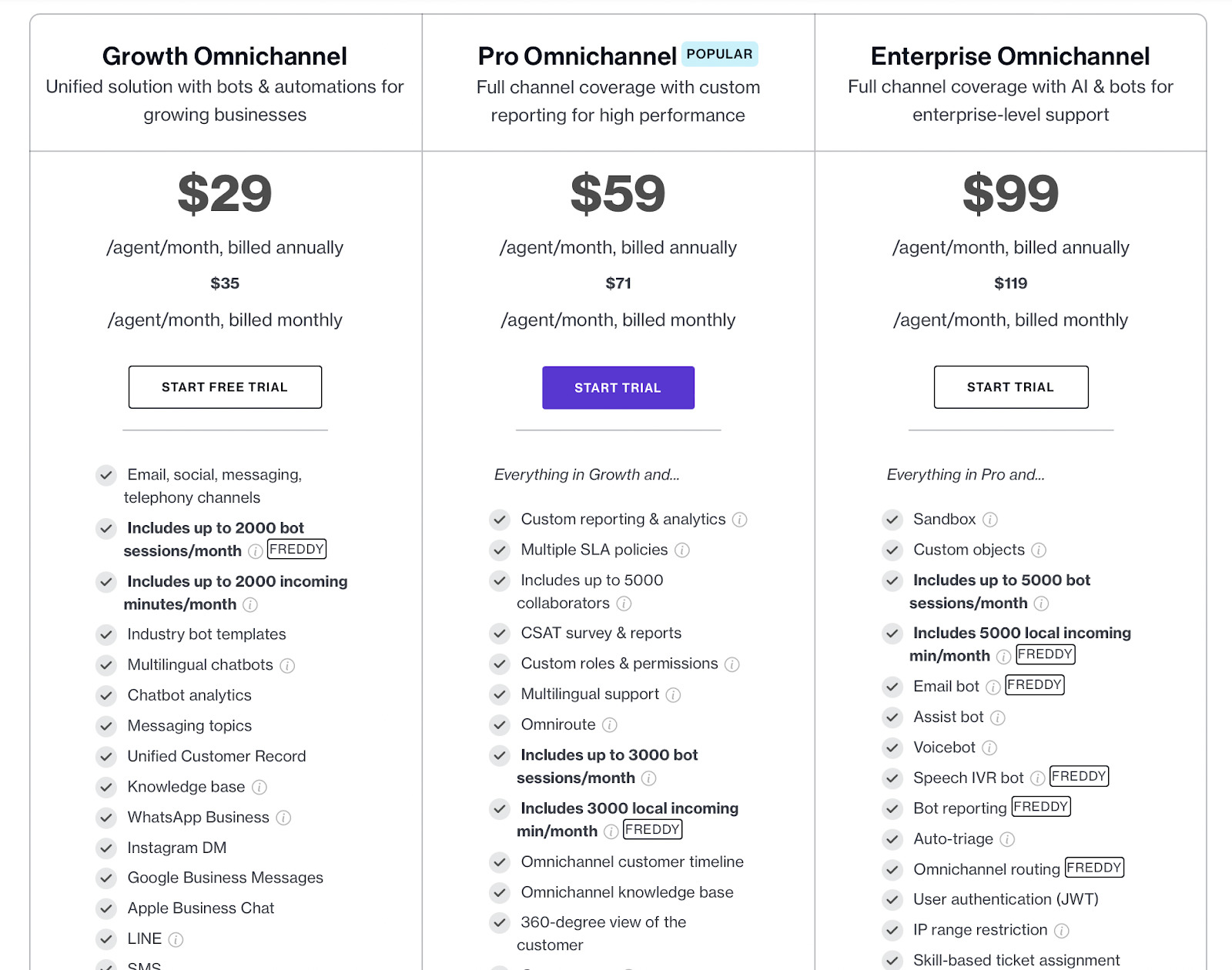
Freshdesk offers three plans for lead generation. Note that chatbots are available only on the most expensive plan — the Enterprise Omnichannel.
Pros and cons
- Easy to set up;
- Lots of third-party integrations;
- Reports generate quickly.
- Chatbot available only on the most expensive plan;
- Not all the features are available on mobile version;
- An admin panel may work slowly sometimes.
Sendinblue
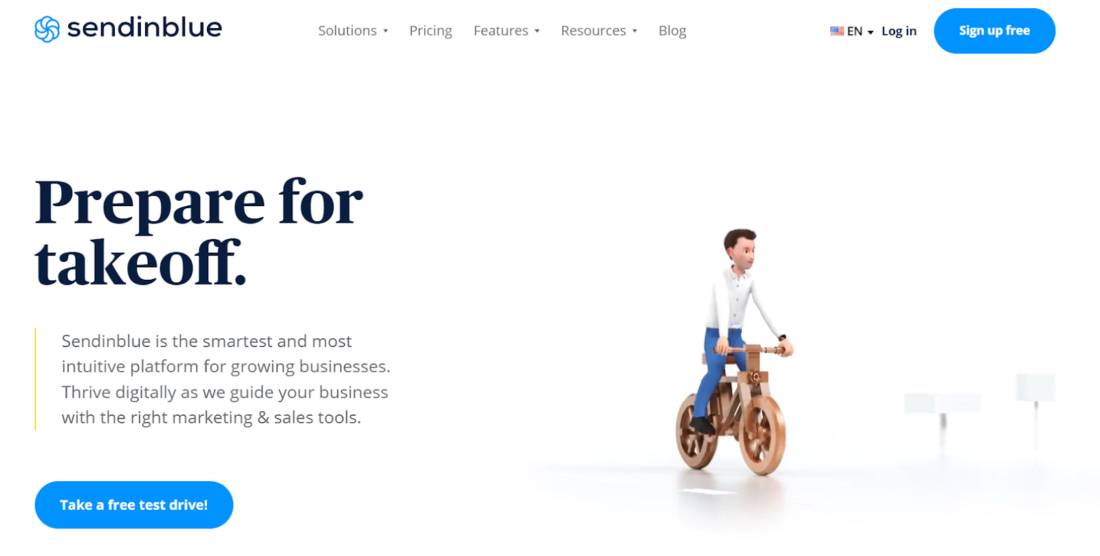
Sendinblue is a tool for lead generation that helps businesses grow that mainly focuses on email marketing. This will suit any size of business from different segments.
Sendinblue lead generation tools:
- email marketing tools,
- landing pages
- live chat,
- Facebook ads.
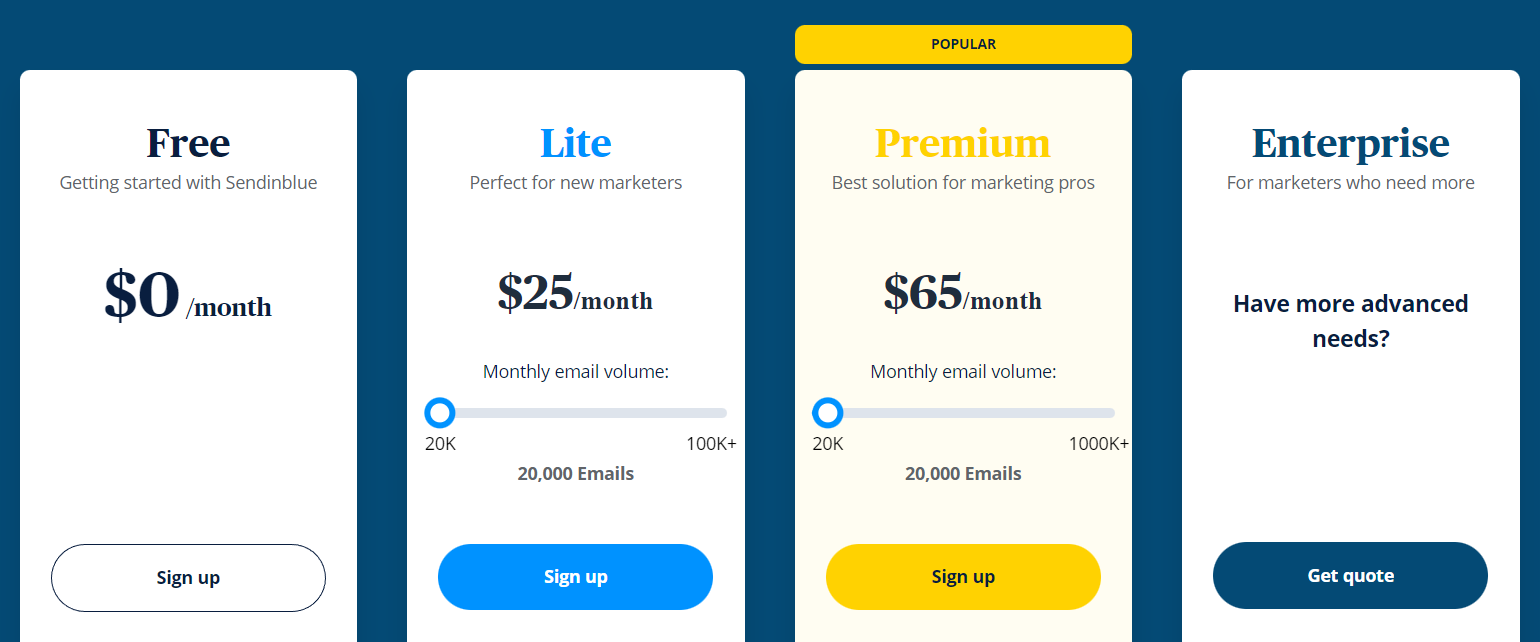
Sendinblue pricing: from $25/mo
Free trial: not available.
Free plan: available.
There are three paid plans; the price for the cheapest one starts from $25/mo and depends on the number of emails you’re going to send.
Pros and cons
- Developed for email marketing;
- Intuitive interface;
- Easy to integrate with other platforms.
- Lack of features if you want to expand;
- Lack of customization;
- Some bugs like disappearing emails come out sometimes.
EngageBay
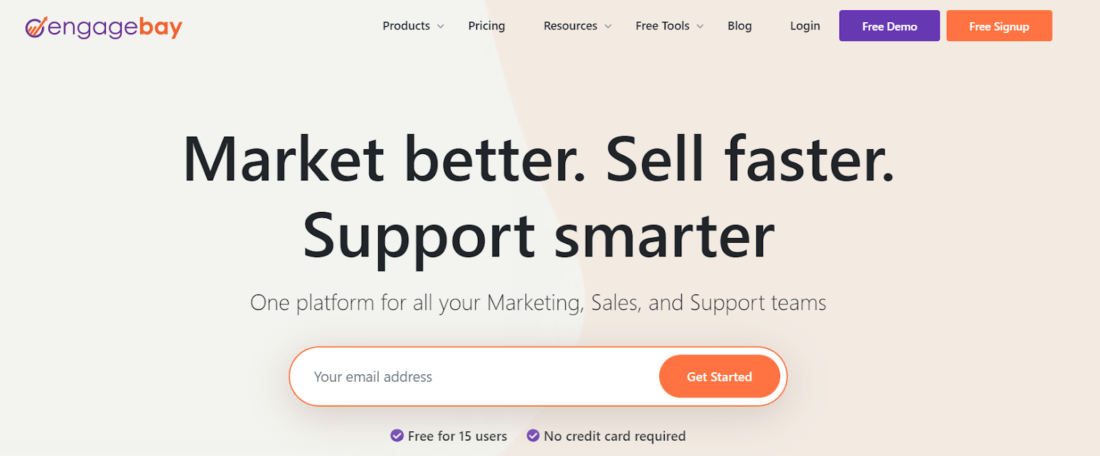
EngageBay is an all-in-one platform that offers tools for marketing, sales, and customer support teams, including tools for lead generation, of course. The solution will suit companies from different industries and sizes.
EngageBay lead generation tools:
- triggered email campaigns,
- CRM and lead generation forms,
- pop-ups,
- live chat,
- landing pages builder.
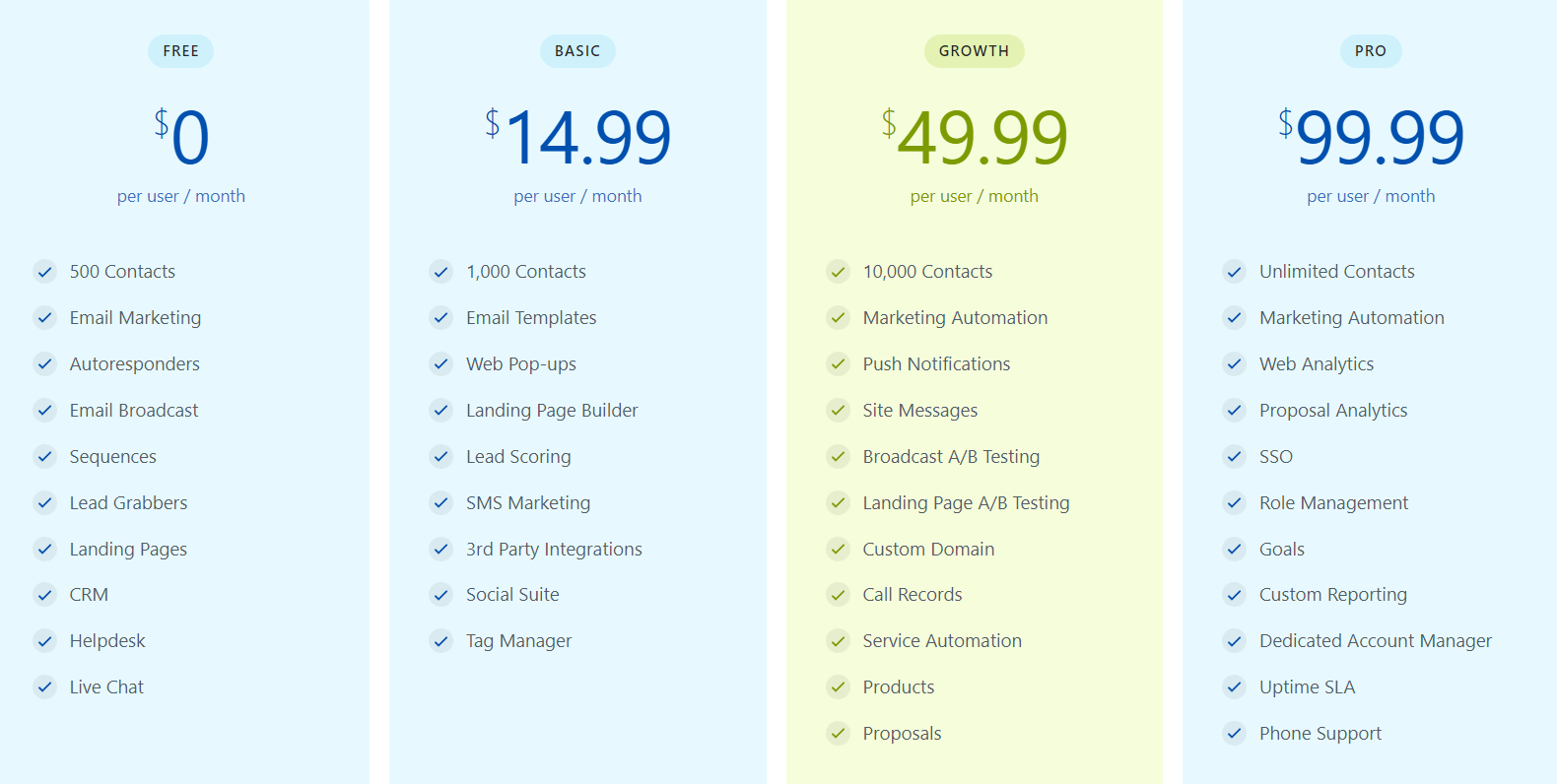
EngageBay pricing: from $14,99/mo
Free trial: not available.
Free plan: available.
The pricing depends on the people who have access to an admin panel. Note that the number of contacts is also billed separately.
 inbound lead generation” class=”wp-image-14237″/>
Pros and cons
- Easy to use;
- Affordable pricing and free plan;
- CRM and landing pages builder.
- Setting up reports may be difficult;
- Expensive additional emails.
OptinMonster
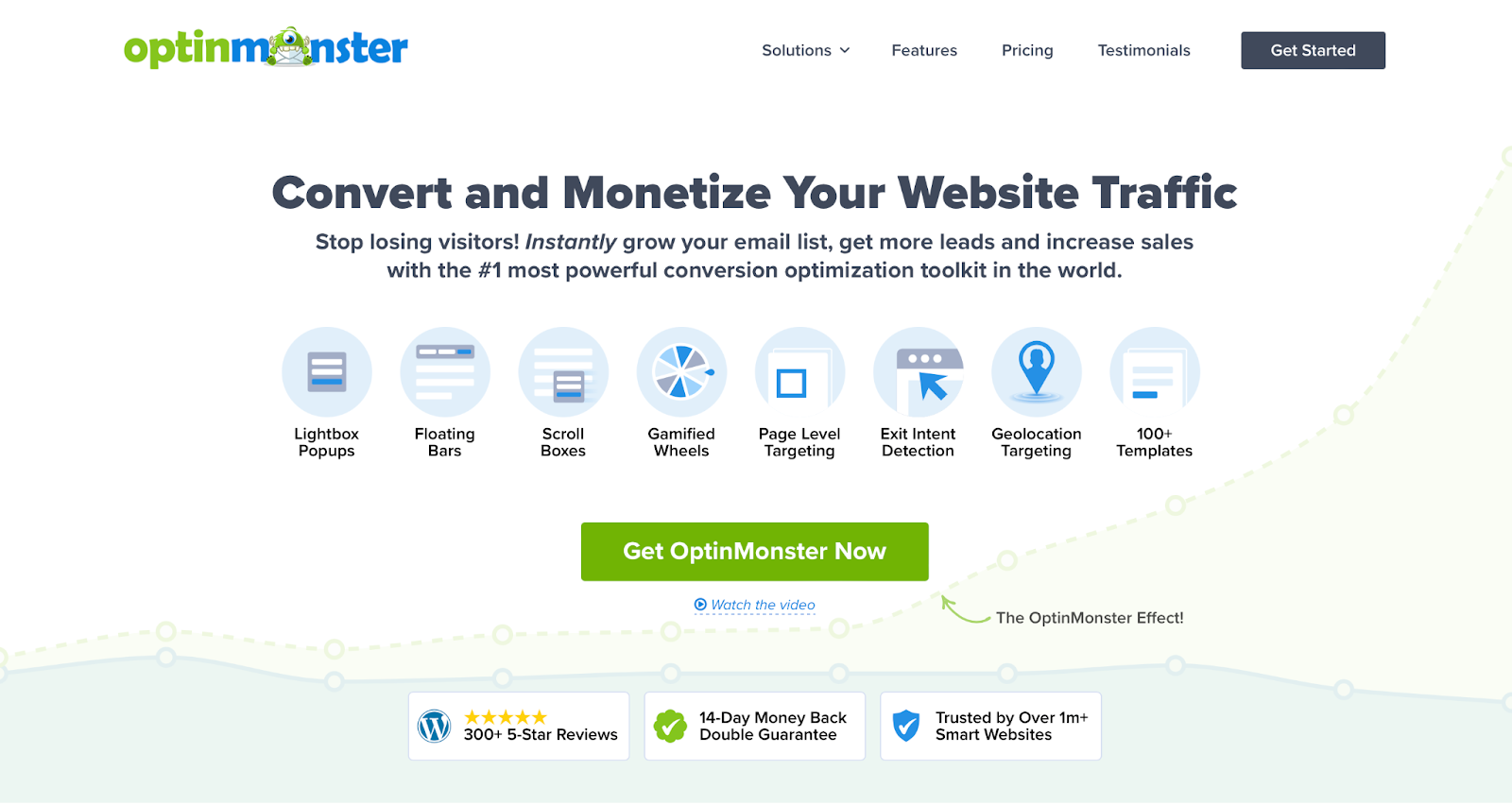
OptinMoster helps you generate more leads from your website traffic. Using this tool, you can create landforms, personalize your offer, and analyze campaigns.
The solution will suit businesses from any industry and size, but small and mid-sized businesses will find it the most useful.
OptinMonster lead generation tools:
- slide-in scroll boxes;
- full-screen welcome mats;
- pop-ups;
- targeting (including location-based);
- floating bars.
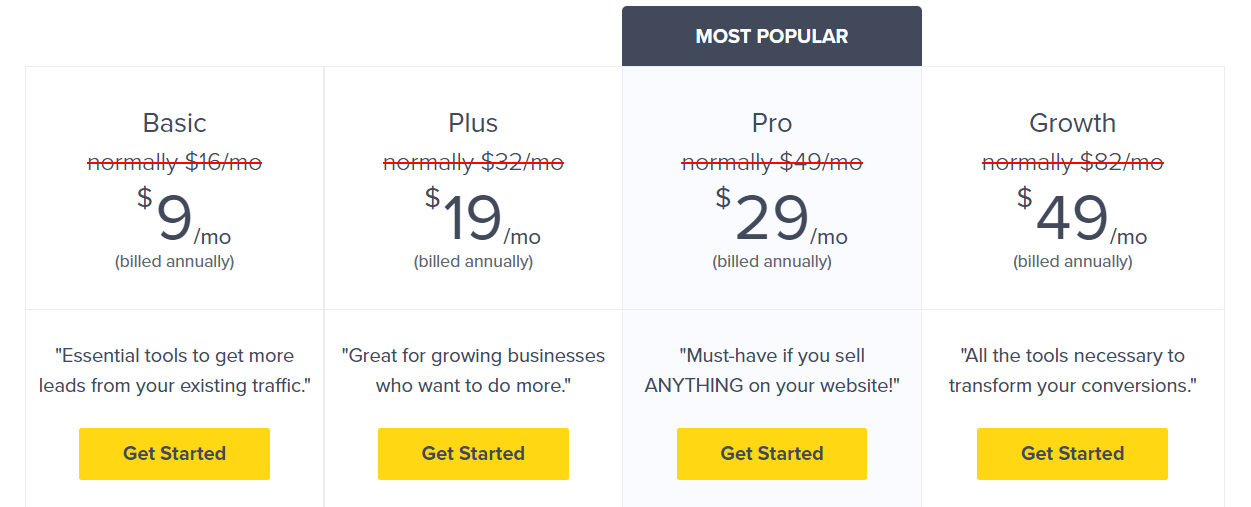
OptinMonster pricing: from $9/mo
Free trial: not available.
Free plan: not available.
There are four paid plans, starting from $9/mo. Although you can’t test the solution, they guarantee a refund if you’re unsatisfied with the software.
Pros and cons
- Visual pop-up and lead forms builder;
- Third-party integrations;
- Intuitive interface.
- May slow down a website download;
- Customer support may take a long to reply;
- Lack of multi-step lead forms.
Agile CRM
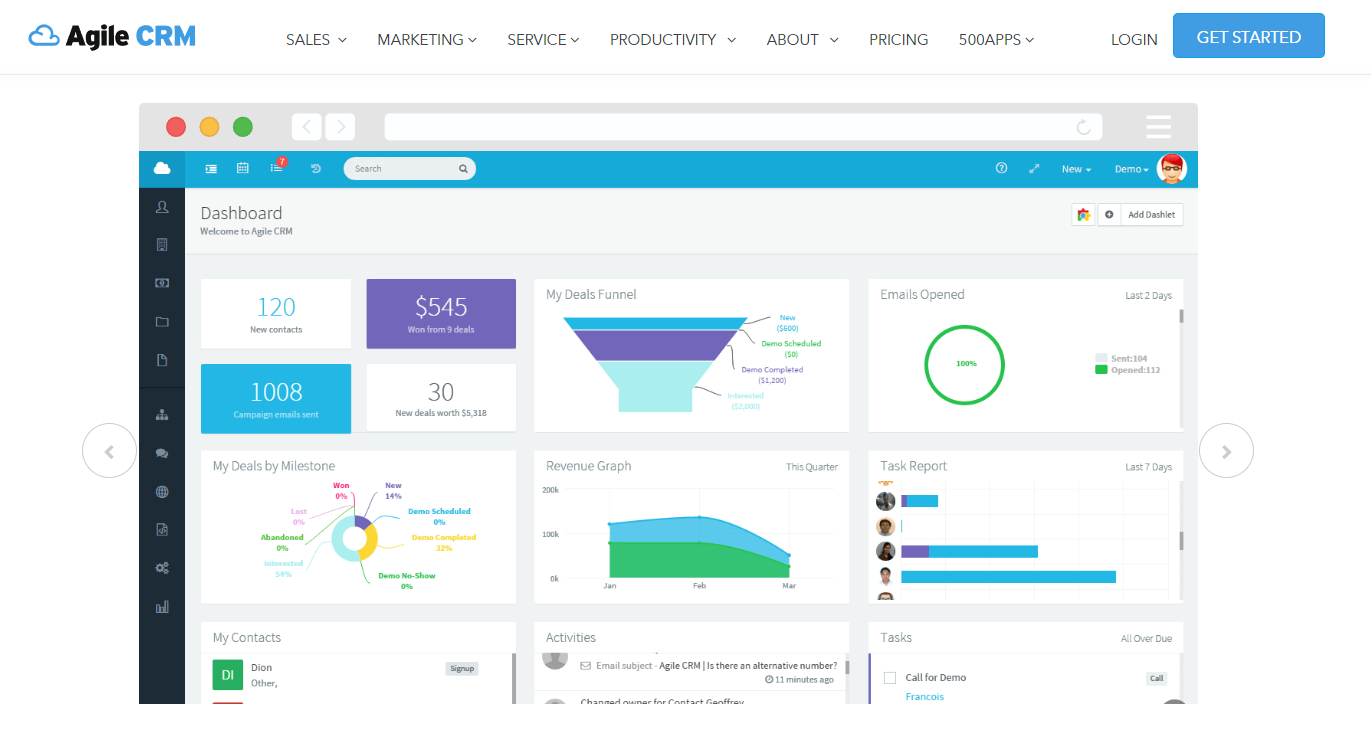
Along with CRM (what stands from the naming), the platform offers many tools for customer engagement, lead generation, and sales increase. The solution will suit all sizes and types of businesses.
Agile CRM lead generation tools:
- CRM, of course;
- lead forms and landing pages;
- email campaigns;
- pop-ups;
- live chat.
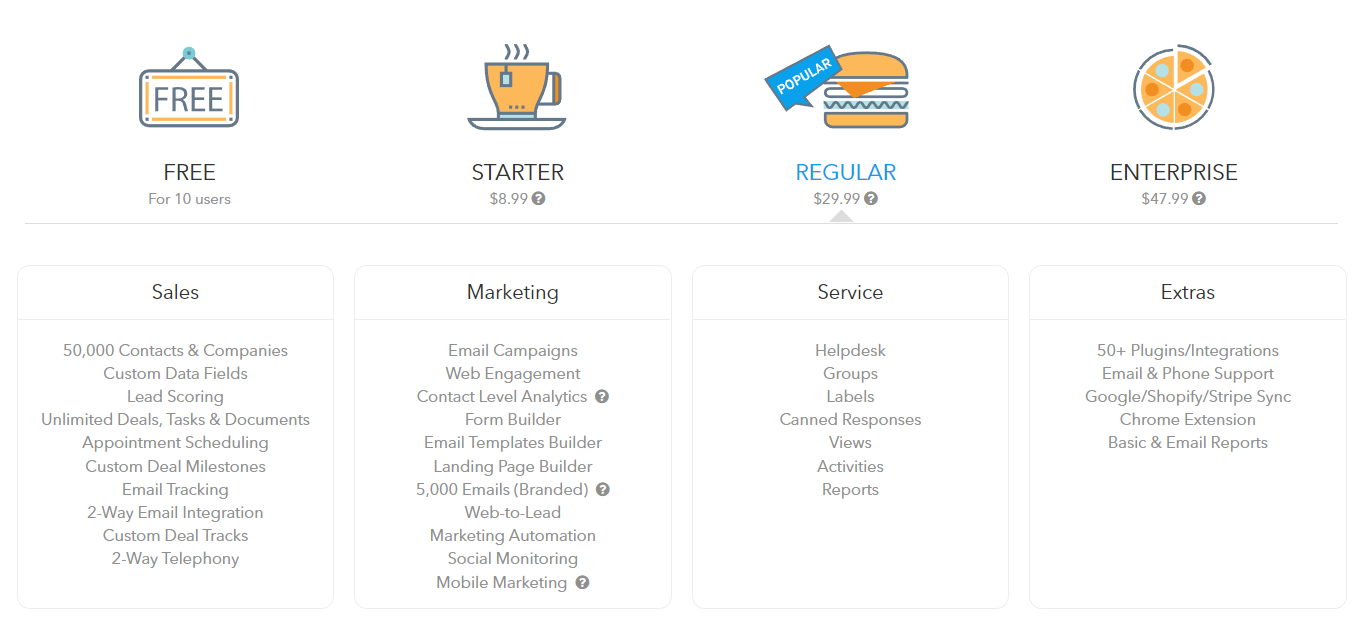
Agile CRM pricing: from $14,99/mo
Free trial: not available.
Free plan: available.
There are three plans; the cheapest one starts from $14,99/mo, and the final fee depends on the number of users.
Pros and cons
- Convenient CRM;
- Lots of integrations;
- Easy-to-use interface.
- Bugs on an admin panel;
- Non-friendly customer support;
- The setup may take time.
Tidio
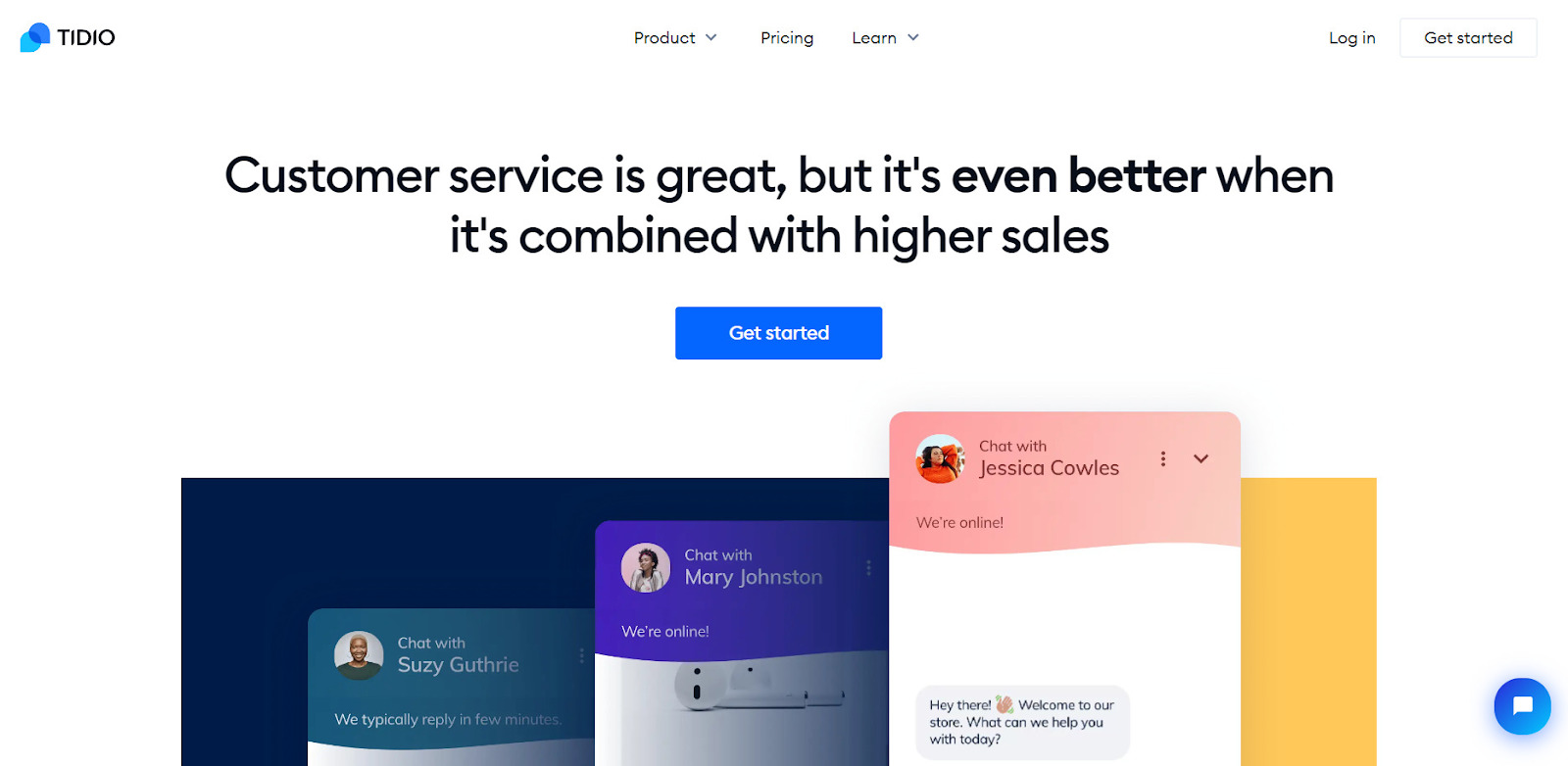
Tidio is a lead generation platform that helps you combine lead generation with greater customer support. This offers tools for companies from different industries, but it will mostly suit mid-sized and enterprise companies.
Tidio lead generation tools:
- Live chat;
- Chatbot with templates;
- Advanced analytics (see what pages a user viewed, live visitors list on your website, and so on);
- Email marketing;
- Lots of integrations with third-party solutions.
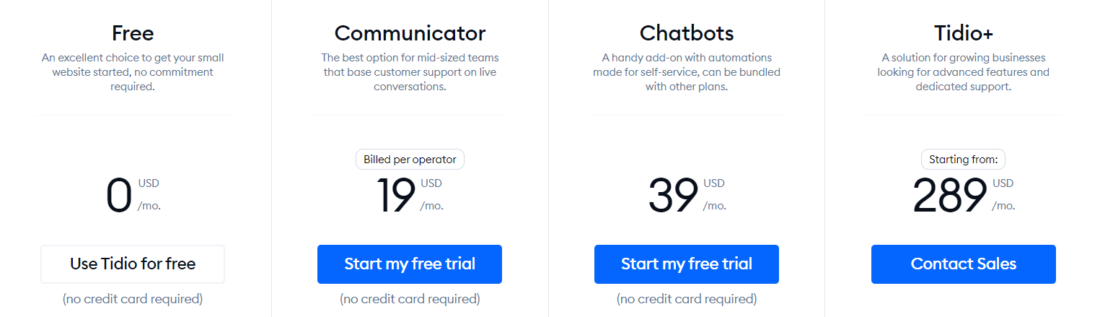
Tidio pricing: from $19/mo
Free trial: 7 days.
Free plan: available.
There are four basic plans. A chatbot is available on the Chatbots plan; however, you can try it with 100 users on a Free plan.
Pros and cons
- User-friendly interface;
- Lots of integrations.
- Quite expensive if you need chatbots;
- Sometimes bugs appear.
Thanks! Now check your inbox

Lead generation best practices: what actually works
We asked our team who works with lead generation to give a piece of advice to those who want to start lead generation. But there are two things we should mention first:
- Qualify leads. Otherwise, your sales team will spend time on non-target leads instead of those who might buy from you;
- Track users’ actions on your website. This will help you to analyze whether there are mistakes or some other bottlenecks on your website and to understand how you can improve your lead generation tactics.
See what Dashly experts tell about lead generation:
Always focus on lead quality, not quantity. Regularly monitor who exactly you capture: are these leads target ones? If they’re not, there’s no point to invest in their acquisition, as it won’t help you generate more revenue.

Don’t forget your lead generation strategy is never set in stone. Look for inspiration and constantly update it like our growth hacker Polly 👇
Test your lead generation channels, messages, and audiences. Launch A/B tests to find out which offer performs better and improve your lead generation campaigns.

And don’t be afraid to reach out beyond your website!
To get better results on lead generation, try PPC ads in tandem with lead generation tools on your website. This will help you bring more target leads and make the most of your traffic.

Wish you higher conversions and more target leads!
FAQ on lead generation
Lead generation is the process of attracting potential buyers to your business and capturing their contact information so your sales or marketing team can follow up. In B2B, this typically means converting website visitors into leads through content downloads, chat conversations, demo requests, or sign-up forms. The quality of leads matters more than volume: a lead generation process focused on intent signals produces far better pipeline than one focused on raw contact volume.
There are two main types: inbound and outbound. Inbound lead generation attracts prospects through content (SEO, blog posts, guides), website conversion tools (chat, pop-ups, live chat), and organic channels. Outbound involves proactively reaching prospects through cold email, cold calls, or paid ads. Most B2B SaaS teams get their best ROI from inbound methods because the leads are already showing intent when they convert.
A B2B lead generation strategy is a planned set of tactics for attracting and converting potential business customers. A strong strategy combines at least three channels: organic search (SEO-driven content targeting buyer-intent keywords), on-site conversion (chat, qualification bots, targeted pop-ups), and lead nurturing (email sequences triggered by behavior). The strategy should define who the ideal lead is, which channels to use, how to qualify inbound traffic, and how to hand qualified leads to sales.
The five highest-ROI tactics for B2B SaaS: (1) SEO content targeting problem-aware and solution-aware keywords in your category; (2) website chat with an AI agent that qualifies visitors and books demos 24/7; (3) targeted pop-ups that offer relevant lead magnets at key exit or engagement moments; (4) email nurturing sequences triggered by sign-up or trial behavior; (5) a free plan or trial that lets prospects experience value before they talk to sales.
The most effective tools depend on your approach. For inbound capture and qualification: Dashly (AI agent + chat + pop-ups + email in one platform), HubSpot (CRM + forms + email), and Intercom (messaging). For outbound: Apollo.io, Clay, and Salesloft. For SEO and content-driven lead gen: Ahrefs (keyword research) and Clearscope (content optimization). Most fast-growing B2B SaaS teams combine one inbound capture platform with an SEO tool and a CRM.
The key metrics: (1) number of marketing-qualified leads (MQLs) per month; (2) lead-to-opportunity conversion rate (benchmark: 10-20% for inbound B2B SaaS); (3) cost per lead by channel; (4) time from first touch to sales handoff; (5) pipeline contribution from marketing. Avoid optimizing for raw lead volume alone: optimizing for MQL-to-opportunity rate catches channel quality problems much earlier.
Lead generation captures contact information from people already interested in your product. Demand generation creates that interest from scratch through content, ads, and brand awareness. B2B SaaS teams typically run both: demand generation fills the top of the funnel, lead generation converts that interest into qualified pipeline. AI-driven tools like Dashly bridge the gap by qualifying inbound leads the moment demand converts into website visits.
AI agents automate the three most time-consuming lead generation steps: initial qualification (asking BANT questions 24/7), lead scoring (tagging high-intent visitors based on behaviour), and follow-up (sending personalised sequences and booking demo slots). Teams using AI Qualifier Agents typically reduce time-to-contact from hours to under 5 minutes, which increases demo booking rates significantly without adding sales headcount.
Costs vary by channel. Inbound SEO: -, 000/mo for content and tools. Paid search: — per qualified lead. Outbound sequences: — per booked meeting. For teams using AI qualification tools, cost per qualified lead drops because the AI handles initial screening — removing non-target leads before a sales rep touches them. Most B2B SaaS teams find that combining an inbound capture platform (from around -/mo) with SEO content delivers the best long-term cost per qualified lead.
Read also:
- 3-step guide on inbound lead qualification: how to qualify inbound leads on autopilot
- Choose your ideal lead nurturing platform: Top 10 software tested by experts
- The best way to collect emails: 5 top-notch methods unveiled
- How to implement user tracking on website: guide, tactics, and tools
- Top 10 user activity monitoring tools: tracking features, price, cons and pros
- The top 15 inbound marketing tools: harness digital power and elevate your business
- Top 12 lead qualification tools to deliver your sales hot leads only
- Top 20 best website tracking tools for effective work with visitors
- Top 10 customer segmentation tools to personalize customer communications
- 10 best website personalization tools to deliver top-notch visitors experience
- 12 best AI marketing tools to automate everything [expert edition]
- Top 12 omnichannel marketing tools for your cross-channel campaigns
- Top 13 follow up email software to elevate your email marketing strategy
- 10 best predictive lead scoring software to boost your sales funnel
- 7 best email capture tools: features and pricing compared for 2026




![21 proven tools for your 2025 marketing tech stack [Recommended by market experts]](https://www.dashly.io/blog/wp-content/uploads/2022/08/martech-stack-999-720x317.png)