How to get inbound leads: 12 proven strategies for B2B in 2026
 17 minutes
 21.05.2026
Inbound leads cost 61% less than outbound, according to HubSpot marketing data, and they convert at significantly higher rates. Yet most B2B teams still direct the majority of their acquisition budget toward cold outreach. That imbalance is where most pipeline problems start.
Inbound leads are prospects who find your business through search, content, or referral. They arrive with a problem already defined and some awareness of your solution. They do not need to be convinced the problem exists. They need a fast response and a clear path forward.
This guide covers 12 proven strategies to generate inbound leads predictably in B2B, along with a framework for qualifying them efficiently and managing them once they arrive.
Pick the strategies that match your current stage and build from there 🚀
What are inbound leads? (and why they convert better)
Inbound leads are prospects who initiate contact with your business on their own terms, typically through organic search, content, social media, or referral. Unlike outbound leads, they arrive with intent already established. That pre-existing intent is the primary driver of their higher conversion rates.
For a deeper look at the full methodology, see our inbound lead generation guide.
| Inbound leads | Outbound leads | |
|---|---|---|
| Source | SEO, content, referral, social media | Cold email, calling, paid prospecting |
| Intent signal | Self-identified need | Assumed need |
| Cost over time | Lower (content compounds) | Higher per contact |
| Relationship start | Pull (prospect reaches out) | Push (you reach out) |
According to the same HubSpot’s State of Inbound research, inbound leads have a 14.6% close rate compared to 1.7% for outbound. The gap reflects the difference in intent: inbound prospects have done research before contacting you, which makes every sales conversation shorter and more productive.
Inbound lead generation is the practice of creating content, experiences, and processes that attract qualified prospects to your business without direct outreach. Every article, tool, or webinar you build continues generating leads after you stop investing in it. That compounding effect is what makes inbound more cost-effective than outbound at scale.
For a broader comparison of both models, including ROI implications and pipeline economics, see our inbound vs. outbound leads breakdown.
12 strategies to generate more inbound leads
Not every channel performs equally at every company stage. The strategies below cover organic, conversion, social, and partner-driven approaches. Start with three that match your resources, run them consistently for 90 days, and expand based on results.
1. Publish SEO content that answers buyer questions
Decision-stage content drives the highest-converting inbound traffic. Target queries where your ICP is evaluating options: “best [category] software,” “[Competitor A] vs [Competitor B],” and “how to [solve specific problem].” These visitors are not researching the category for the first time. They are comparing vendors.
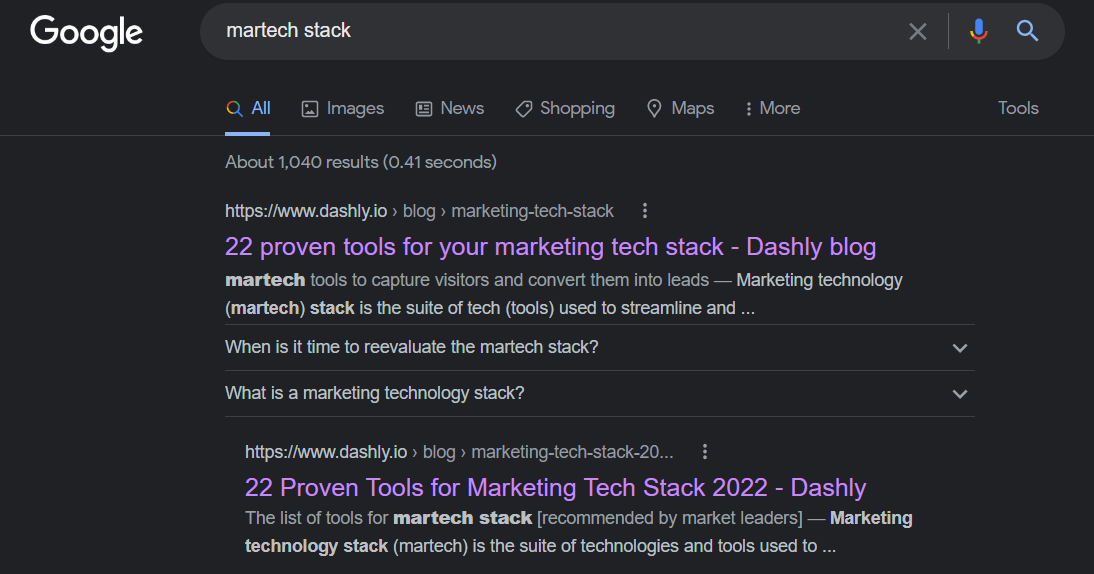
Marketing tech stack post includes numerous lead magnets we offer in exchange for readers’ contacts
A single well-written article targeting a decision-stage query can generate qualified inbound leads for two to three years with no additional spend. This is the foundation of sustainable inbound marketing lead generation.
2. Build lead magnets worth downloading
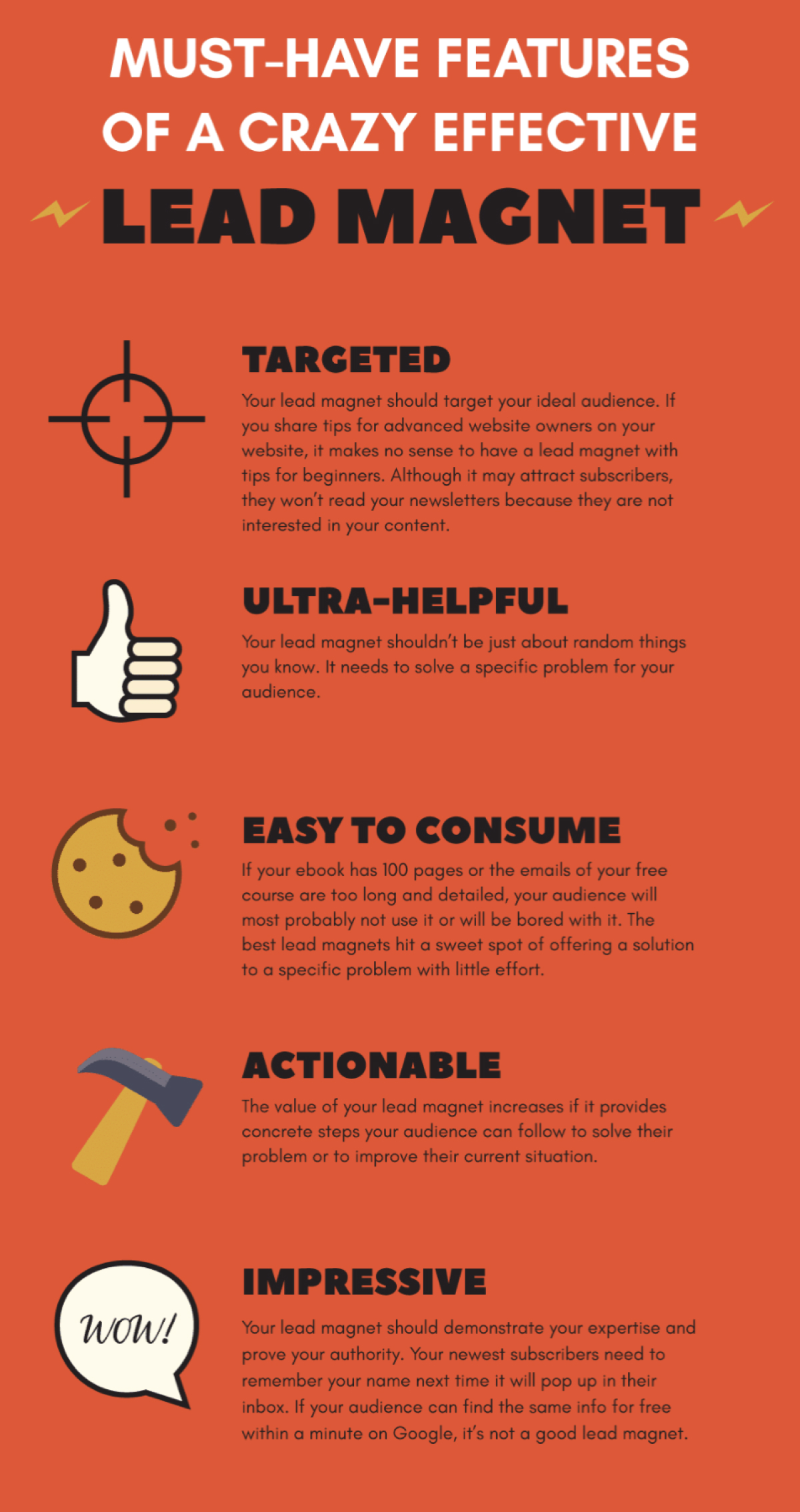
A lead magnet that solves a real buyer problem outperforms a generic “free guide” every time. Templates, ROI calculators, benchmark reports, and diagnostic tools earn email addresses without friction. Gate them with a short form: email and company name only. Each additional field reduces conversions meaningfully.
The question to ask before building: does my ICP need this to do their job better? If yes, it converts. If not, it attracts students and competitors rather than qualified buyers.
Here are a few tips on making an actually useful lead magnet:
3. Convert website visitors with AI chat and triggered campaigns
Most visitors leave without converting. High-intent pages, such as pricing and demo requests, are where qualified buyers spend the most time before abandoning. An AI agent on those pages can engage visitors proactively, qualify them in a two-minute conversation, and route the right ones directly to demo booking. No form required. No 48-hour wait for a callback.
Automated lead generation through AI chat handles this around the clock, including nights and weekends when your team is offline. For teams investing in inbound, this is the fastest path from existing traffic to booked meetings.
See how Dashly’s AI agent captures and qualifies leads 👇

4. Run webinars that attract your ICP
A monthly educational webinar builds pipeline from people who are not yet ready to buy. Pick topics that match what your ICP searches for six months before they become a customer. Co-host with a complementary tool and you double your reach immediately: both teams promote to their lists, both teams get new-audience exposure.
Webinar registrants are warm leads. They invested time to show up, which is a stronger intent signal than a whitepaper download. Attendees are warmer still.
5. Optimize landing pages for lead capture
A landing page with one clear CTA and a defined value proposition above the fold will outconvert a homepage every time. The goal is to remove every reason to leave without converting.
The most common mistake: too many form fields. A B2B buyer at the top of the funnel will give you an email. They will not give you their phone, revenue, headcount, and team size before knowing whether your product is relevant.
Shorten the form → Test one variable at a time → Watch conversions improve
6. Build a LinkedIn presence that drives inbound
Thought leadership on LinkedIn surfaces your perspective in front of your ICP without any outreach. When a post resonates with a Head of Sales or a CMO, they visit your profile, read the company page, and sometimes request a demo directly.
A LinkedIn newsletter compounds this effect. Subscribers receive each edition in their inbox, not just their feed. That recurring touchpoint builds the kind of familiarity that makes a future conversation feel like continuing an existing relationship rather than starting from zero.
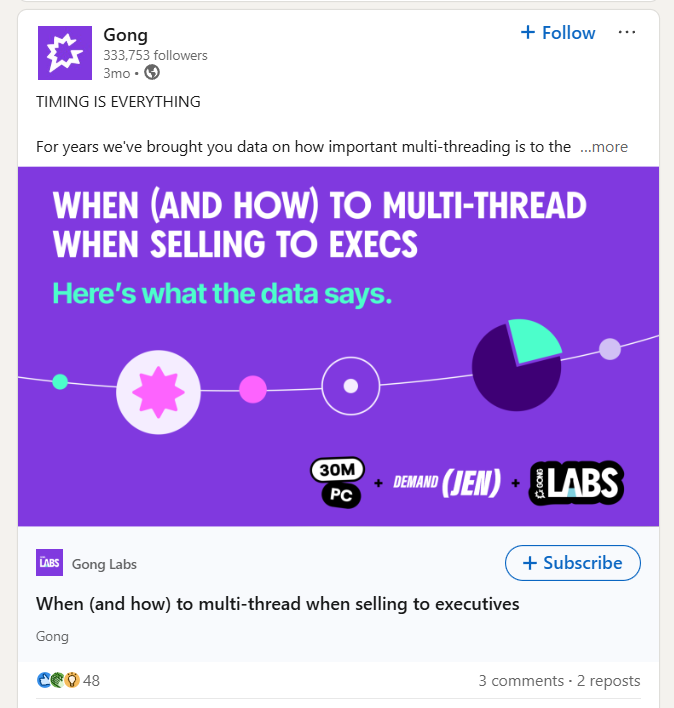
Here’s an example of content distribution by Gong:
7. Create comparison and alternatives pages
“[Competitor] vs [Your product]” and “Best alternatives to [Competitor]” pages target bottom-of-funnel intent. The visitor is already evaluating tools. They need to understand where your product fits and why it might be the better choice for their specific situation.
These pages convert well because the visitor is in buying mode. Write them factually: acknowledge competitor strengths, make your differentiation clear, and support claims with specific metrics. Readers can tell when a comparison is rigged. Credibility closes more deals than promotion.
8. Generate reviews on G2 and Capterra
Review platforms appear in “[category] software” searches with direct purchase intent. Getting your product ranked in those results puts you in front of buyers who are actively comparing vendors, without any outreach on your part.
Run a systematic review generation campaign. Email your most satisfied users with a direct link to your G2 profile and a simple one-sentence ask. Most satisfied customers will leave a review if you make it easy. Consistent review volume also improves your category rank within the platform.
9. Case studies as inbound assets
A case study showing a specific result for a specific type of company answers the core buyer question: “Will this work for me?” Publish a public version on your blog for SEO. Gate a detailed PDF version for lead capture.
Target case studies by industry, company size, and use case so each one matches the ICP segment you want to attract. One well-placed case study generates inbound inquiries for months without additional investment.
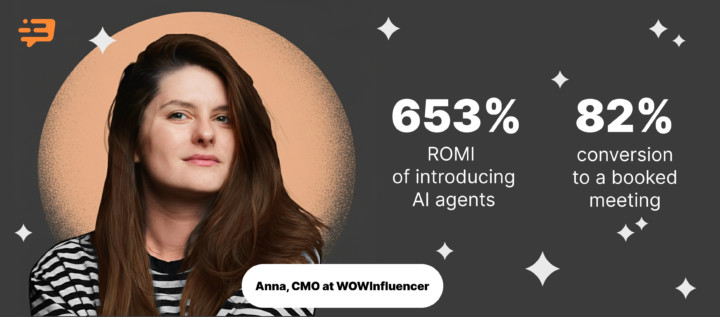
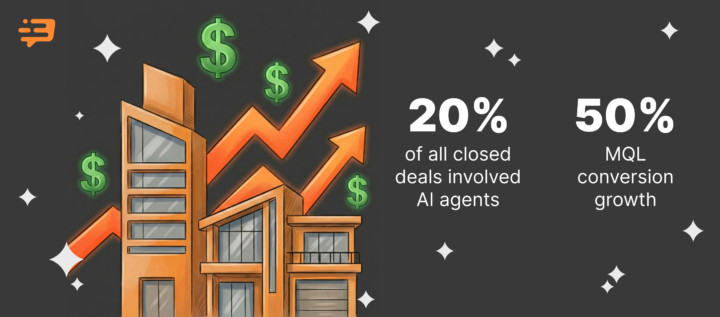
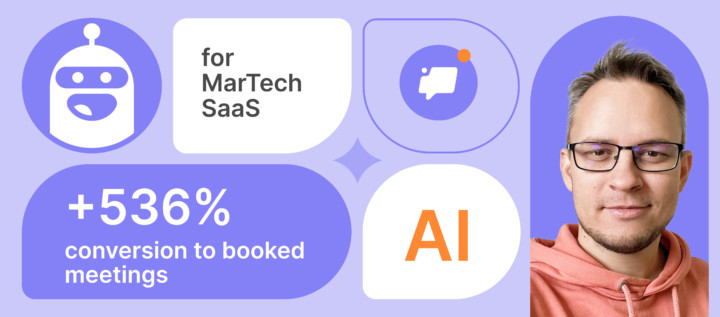
By the way, you can check out impressive results our customers achieve in our case studies 😉
10. Launch a partner and referral program
Integration partners, agency partners, and resellers bring audiences you do not have access to on your own. A structured partner program converts their existing relationships into inbound leads for you. Referral traffic consistently converts at higher rates than direct traffic because the visitor arrives with context and social proof already built in.
Partner programs require upfront investment, but the leads they generate cost a fraction of paid acquisition over time and arrive with stronger intent.
11. Build a free tool or calculator
A free tool captures leads before they have purchase intent. An ROI calculator, an audit tool, or a grader earns email addresses at the top of the funnel and positions your brand as the category expert. These visitors are not ready to buy today, but they are in the market and learning.
Free tools earn backlinks naturally. Other content creators link to useful resources because it adds value to their readers. That link equity improves organic rankings across all your pages. A tool built once compounds in SEO value for years.
12. Publish on high-DR third-party platforms
A guest post on a relevant industry publication brings referral traffic and backlinks. A mention in a “best tools” roundup on a high-traffic site drives steady inbound over time without any paid spend.
Target publications your ICP actually reads. Pitch articles that solve real problems for their audience, not articles that promote your product. The byline and the link back to your site handle the promotion. A consistent guest post program, sustained over six months, produces a meaningful and compounding stream of inbound leads.
How to qualify inbound leads without wasting SDR time
Qualifying inbound leads means identifying which contacts match your ICP well enough to route to sales versus which should enter nurture. Not every inbound lead is a good lead. Without a qualification layer, SDRs burn time on contacts that will never close, and genuinely qualified prospects from your inbound sales pipeline wait too long for a response.
Start with ICP criteria: company size, industry, role, and use case. Layer in behavioral signals: which pages a contact visited, how long they spent on the pricing page, whether they viewed a case study. A lead who spent four minutes on pricing and watched a product demo video is not in the same category as someone who downloaded a top-of-funnel checklist.
Lead scoring formalizes this. Assign point values to firmographic attributes and behavioral actions. Contacts above a defined threshold route to sales. Contacts below enter a nurture sequence until their intent signals strengthen. The threshold is calibrated against your average SQL profile and refined as data accumulates.
AI qualification takes this further by running the qualification conversation in real time, before any human is involved.
An AI agent asks about team size, use case, and buying timeline, then routes contacts based on their responses. High-ICP leads go directly to demo booking. Lower-ICP leads receive relevant resources and enter nurture. This is how Dashly’s AI agent qualifies 70% of inbound leads without SDR involvement, so the sales team only touches pre-screened contacts.
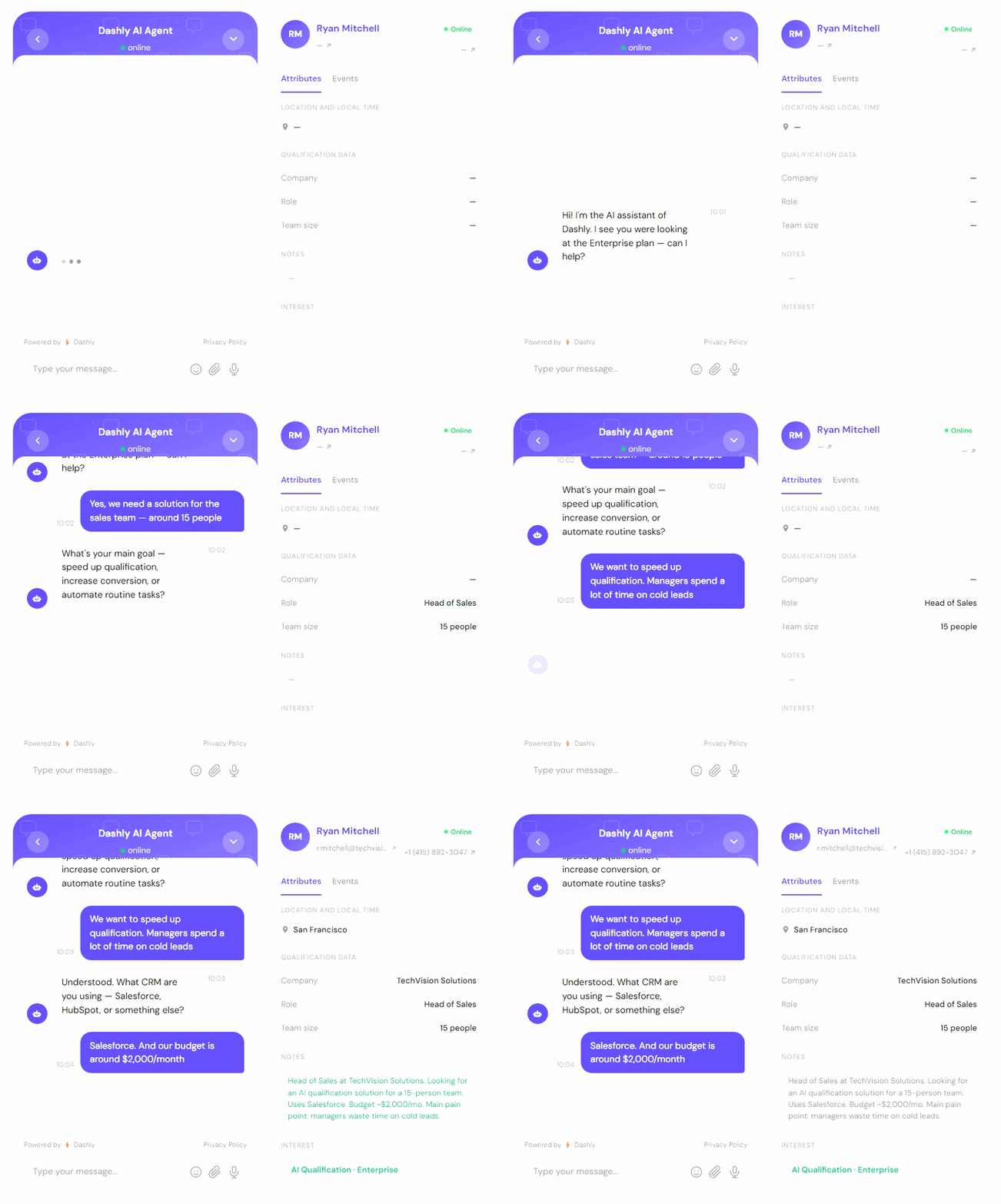
The result is a qualification system that runs 24/7, never misses a lead, and does not depend on SDR availability or timezone.
Inbound lead management: respond fast or lose the lead
The system that handles inbound leads after they arrive determines what actually converts. Generating leads is step one. What happens in the first five minutes after a lead arrives determines whether they become a pipeline opportunity or a missed connection.
For most B2B teams, hitting a five-minute window with human SDRs is not realistic. Time zones, meetings, and competing priorities create gaps. An AI agent eliminates the delay entirely: every inbound lead gets an immediate, qualified response regardless of when they arrive.
Effective inbound lead management runs on four components.
- Routing. Match each lead to the right resource immediately. High-ICP goes to sales. Medium-ICP goes to a nurture sequence with periodic sales check-ins. Low-ICP goes to self-serve content. Base routing on ICP tier and intent score, not just the form they submitted.
- Follow-up sequences. Leads who do not book immediately are not dead. A structured nurture sequence with educational content, relevant case studies, and timed outreach keeps qualified leads engaged until timing aligns. Most B2B SaaS deals require four to six touchpoints before closing. A single follow-up email is not a sequence.
- CRM tagging. Every inbound lead should be tagged by source (organic search, paid, referral, social) and qualification score. This data reveals which channels produce MQLs, not just leads. Channel-level MQL data is what drives smart budget decisions.
- Speed-to-lead systems. An AI agent on the website is the most direct fix for response-time gaps. It responds in seconds, runs the qualification conversation, and routes the contact before an SDR would see the notification.
Build your inbound lead generation strategy
A collection of tactics without a framework produces inconsistent results. Five steps turn individual channels into a repeatable inbound lead generation strategy.
Step 1: Define your ICP and their top questions. ICP criteria include company size, industry, role, and buying trigger. Once defined, list the three to five questions your ICP searches for when they are aware of a problem but not yet evaluating vendors. Those questions are your first content targets.
![Build Ideal Customer Profile Like a Pro Even If You’re Not [3 Templates]](https://www.dashly.io/blog/wp-content/uploads/2021/03/ideal-customer-profile-4-720x308.jpg)
Step 2: Choose three channels for the first 90 days. SEO content, AI chat lead capture, and one awareness channel such as LinkedIn or webinars is a practical starting combination for most B2B SaaS teams. Spreading effort across all 12 strategies at once produces nothing measurable. Three channels at full effort produce data you can act on.
Step 3: Set up lead capture on your website. An AI agent on pricing and demo pages, a lead magnet with a short form on the blog, and a clear CTA on every high-traffic page ensures that traffic from your inbound channels converts rather than bounces.
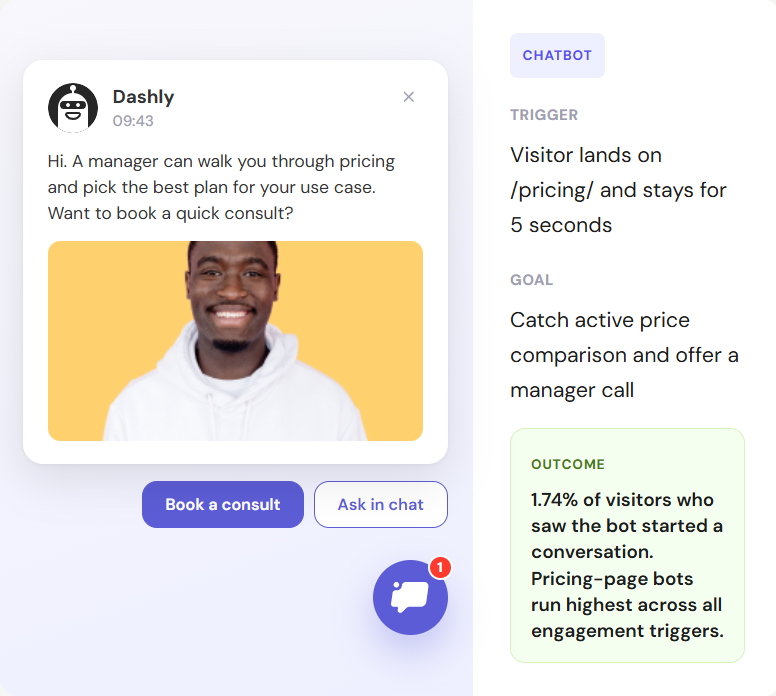
Step 4: Build a nurture sequence before you launch. Not every inbound lead is in buying mode. A six-email nurture sequence with educational content and one offer, whether a demo, case study, or ROI calculator, keeps you top of mind until timing aligns. Build this before launching inbound channels so leads have somewhere to go after they convert.
Step 5: Measure the right metrics. MQL rate (leads that meet ICP criteria divided by total leads), lead-to-demo rate, and cost per inbound MQL by channel. These three numbers tell you whether your inbound machine is working and where to invest next.
For the full funnel view of how inbound leads move through the pipeline, see our inbound marketing funnel guide.
For the sales-side perspective on handoffs and conversion, the inbound sales funnel breakdown covers the methodology in detail.
How Dashly turns website visitors into inbound leads
Dashly’s AI Inbound Revenue Agent qualifies website visitors in real time, without forms and without SDR involvement. When a visitor lands on a high-intent page, such as pricing or the demo request, the agent initiates a conversation, identifies their use case and company size, and routes them based on ICP fit.
High-ICP visitors get routed to calendar booking within the same conversation. Lower-ICP visitors get directed to relevant resources, keeping them in the pipeline without consuming sales capacity.
Here’s the lead capture flow Dashly agents manage:
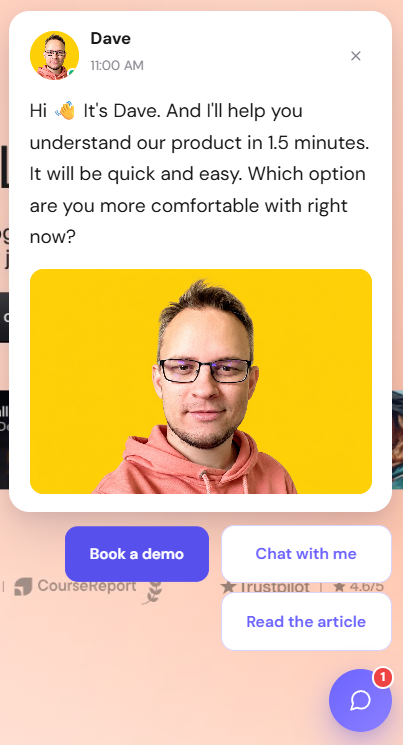
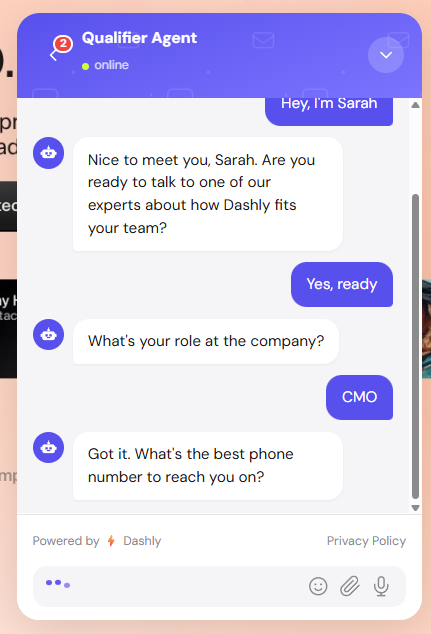
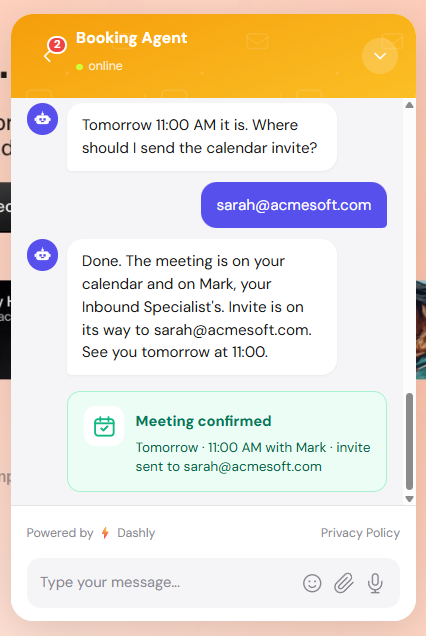
B2B SaaS teams using the Dashly AI agent for lead capture see 3 to 8% visitor-to-lead conversion, compared to the 0.5 to 1% typical of static forms. That difference compounds: moving from 1% to 3% conversion on the same traffic triples inbound lead volume without any change in acquisition spend.
Dashly also handles follow-up automatically. Leads who do not book immediately enter a triggered campaign based on their qualification score and the content they engaged with. No manual work required from the sales team.
FAQ
Publish SEO content targeting decision-stage buyer questions, deploy an AI agent on your high-intent pages, and build a lead magnet that solves a specific problem for your ICP. Start with three channels and run them consistently for 90 days before expanding. Consistency over a focused window outperforms broad effort spread too thin. For a full channel breakdown, see our inbound lead generation guide.
SEO content typically takes three to six months to rank and generate meaningful traffic. AI chat and landing page optimizations produce leads within the first week. A realistic timeline for measurable inbound volume, combining content creation and conversion work, is 60 to 90 days. Teams that publish one high-quality piece per week and run continuous conversion tests see results faster.
Start with ICP criteria: company size, role, industry, and use case. Layer in behavioral signals such as pages visited, time on the pricing page, and content downloaded. An AI agent runs the qualification conversation automatically, routing MQLs to demo booking and lower-intent leads to nurture. This removes manual screening from the SDR workflow entirely.
Inbound leads find your business through content, search, or referral. Outbound leads are contacted directly by your team through cold email or calling. Inbound leads arrive with intent already established, which is why they convert at higher rates and cost less per qualified lead over time. For a detailed comparison, see our inbound vs. outbound leads guide.
Under five minutes. Research shows that responding within five minutes makes qualification 21x more likely than responding after 30 minutes. Most human-only response systems cannot reliably hit this window. An AI agent on the website eliminates response delay by engaging the lead immediately, before they navigate to a competitor.
Convert more of the traffic you already have. Moving from 1% to 2% website conversion rate doubles lead volume without any change in acquisition spend. Practical tactics: add an AI agent on high-intent pages, shorten forms to two fields, add social proof near CTAs, and publish comparison content targeting bottom-of-funnel queries.
Core stack: an SEO tool such as Ahrefs or Semrush for content planning, a CMS for blog publishing, an AI agent for website lead capture and qualification (Dashly), a CRM for routing and follow-up, and email automation for nurture sequences. Dashly covers chat, lead capture, qualification, and routing in one platform. For a curated list, see our inbound lead generation services review and the inbound marketing tools directory.



![B2B sales funnel: 6 stages, examples and how to build [2026]](https://www.dashly.io/blog/wp-content/uploads/2024/10/b2b-sales-funnel-2-720x317.jpg)