Sales funnel management: 7 tools and 5 insights to turn leads into deals
 24 minutes
 02.06.2026
Sales funnel management is the process of monitoring, optimizing, and advancing leads through each stage of the buying journey: from first contact to closed deal. Done right, structured funnel management raises conversion rates by up to 62%, shortens sales cycles, and gives teams accurate pipeline forecasts. This guide covers stages, key metrics, best practices, and tools.
- Sales funnel management is the ongoing process of moving leads through awareness → interest → consideration → intent → purchase → retention.
- Done right, it raises conversion rates by up to 62%, shortens sales cycles, and improves forecast accuracy.
- The 3 most-used stage groupings are ToFu (top of funnel), MoFu (middle), and BoFu (bottom); see the stage breakdown below.
Managing a sales funnel can feel like juggling without knowing which balls might drop. The struggle? Balancing quantity with quality. Too often, teams drown in a sea of leads but struggle to find those truly qualified gems. Add in common mistakes (like neglecting lead nurturing, poor funnel structure, and a lack of leadership alignment) and sales performance plummets.
Sound familiar? You’re not alone.
In this article, we’ll discuss best practices for guiding your leads toward becoming loyal customers. From proven methods to boost sales performance to top tools for funnel management, we’ll cover everything you need to optimize and track your funnel with clarity and confidence.
Get ready to fine-tune your strategy and fill your pipeline with qualified leads that make a real impact.
What is sales funnel management?
Sales funnel management is the process of guiding and optimizing each stage in the sales funnel to turn potential leads into customers. Picture the funnel as a series of steps or stages (from initial contact to purchase) where each stage requires specific actions to move prospects forward.
Effective sales funnel management helps sales teams focus on quality leads, increase efficiency, and close more deals.
Here’s an example from our experience at Dashly.io: one of our clients struggled to qualify leads accurately, leading to wasted time and missed opportunities. By analyzing their sales funnel management process, we found that they replaced clear criteria for each stage. So, we implemented a lead qualification quiz, helping reps quickly sort high-potential leads and better understand each lead’s needs at different stages.
The result?
A smoother funnel, more productive reps, and an improved overall sales outcome. With the right process, sales funnel management can turn your funnel into a well-oiled machine for capturing quality leads and guiding them toward conversion.
What’s the difference between sales funnel management and sales pipeline management?
Here’s a quick breakdown of what is sales funnel management vs. sales pipeline management:
| Sales funnel management | Sales pipeline management | |
|---|---|---|
| Focus | Guiding leads through stages to conversion | Tracking individual deals from prospect to close |
| Perspective | Buyer journey (awareness to purchase) | Rep activity (lead to signed contract) |
| Stages | Awareness, Consideration, Decision | Qualification, Proposal, Negotiation, Close |
| Goal | Increase quality leads entering the funnel | Ensure reps close individual deals |
| Best for | Aligning marketing and sales on customer journey | Day-to-day deal tracking and revenue forecasting |
So, in short: sales funnel management is about the bigger picture and optimizing each funnel stage. Pipeline management, however, is more about keeping individual reps organized and on track.
5 benefits of managing the sales funnel right
Here’s the real deal: managing your sales funnel right isn’t just about keeping things organized. It’s about leveling up every part of your sales process — getting better leads, speeding up the cycle, and helping your reps close confidently. When each funnel stage runs smoothly, you see real results, from happier teams to more substantial revenue. So, let’s dig into the key benefits, backed by some solid stats and a few examples from Dashly.io’s experience
Higher quality leads
Managing each funnel stage helps attract leads who fit your ideal profile.
A study by HubSpot found that companies with a structured sales funnel see 62% higher conversion rates.
In our experience, adding a lead qualification quiz helped one client boost their lead quality, freeing reps to focus on high-potential prospects.
Shorter sales cycles
By nurturing leads at every stage, you avoid bottlenecks that slow down deals. Research shows that 44% of companies with structured funnel stages reduce their sales cycles significantly. We saw this with a SaaS client: clarifying their funnel stages meant reps spent less time chasing unqualified leads and closed faster.
Improved sales forecasting
Accurate sales funnel management provides clearer forecasting, helping teams predict revenue.
According to Salesforce, companies with strong funnel processes improve forecasting accuracy by 33%.
For us, structuring our client’s funnel stages meant more predictable outcomes, giving their team confidence in hitting targets.
Better team performance
Studies reveal that sales teams following structured funnel stages see 16% higher win rates.
When one of our clients aligned their reps to focus on qualified leads by stage, team efficiency and morale skyrocketed.
Reduced Customer Acquisition Costs (CAC)
Efficient funnel management saves money by reducing wasted resources on cold leads. Research by McKinsey shows companies with optimized sales funnels cut CAC by up to 15%. We saw this firsthand: by cleaning up their funnel, a client reduced low-quality leads, saving both time and budget.
The stages of sales funnel management
Every sales funnel has stages that work together to guide leads from that first glance to loyal customers. But without the right sales funnel management, it’s easy to lose focus or miss out on potential. Each stage plays a unique role, giving reps the chance to nurture and qualify leads effectively.
Here’s a look at the key stages and how they help you turn interest into action.
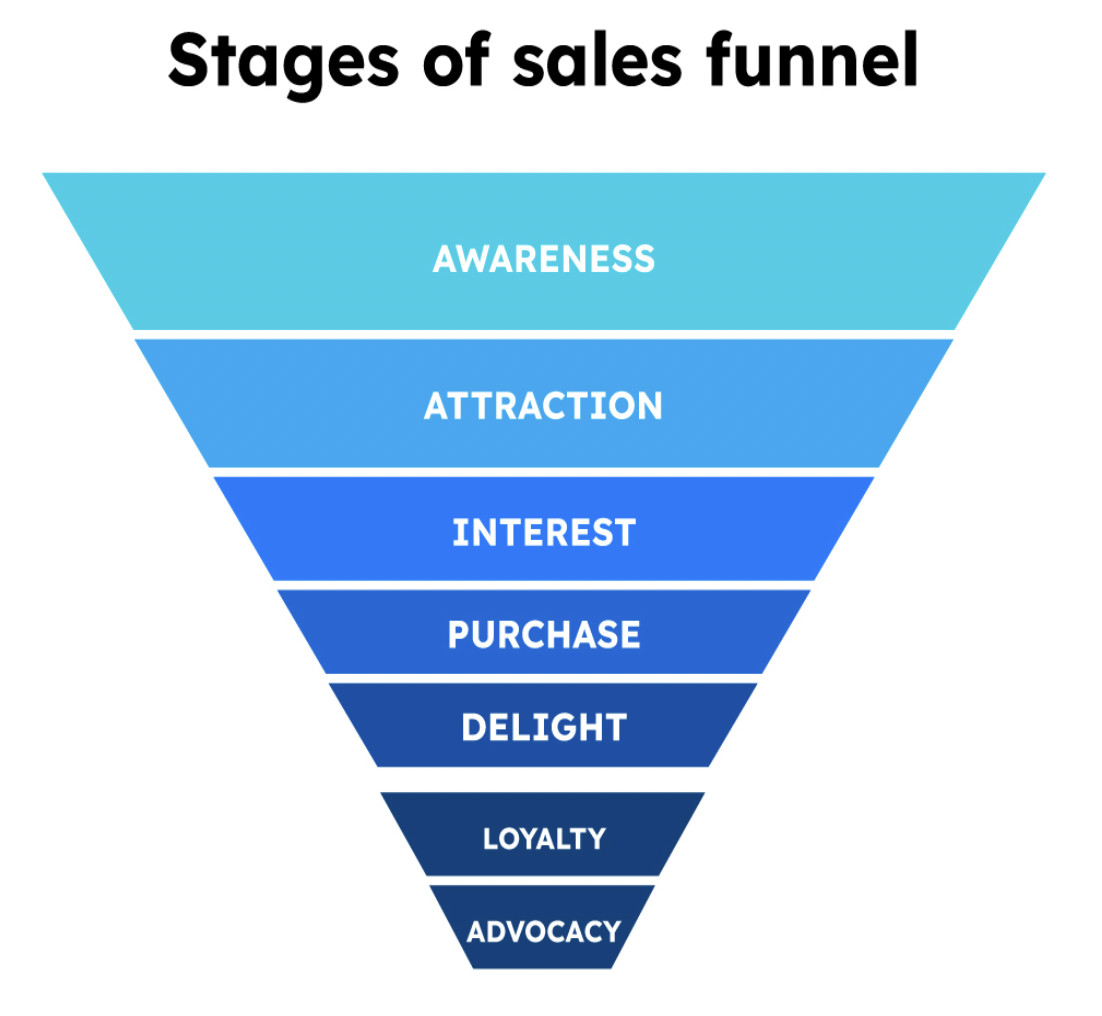
These six stages are usually grouped into three broader buckets you’ll see across sales tools: ToFu (top of funnel), covering Awareness and Interest; MoFu (middle of funnel), covering Consideration and Intent; and BoFu (bottom of funnel), covering Purchase and Retention.
Awareness
First, prospects discover your brand. Maybe they see an ad, read a blog, or hear about you on social media. This stage is all about capturing leads. Our job? Make sure the messaging grabs attention and resonates. We want high-quality leads, not just anyone.
Interest
Now that they’re aware, we need to keep them interested. They might check out your website, download a freebie, or subscribe to your emails. Here, reps can start qualifying leads to see who’s worth pursuing. A clear funnel structure means less time chasing weak leads.
Consideration
Prospects are warming up, comparing options, and seeing how well you solve their problem. This is where the sales funnel really kicks in. Reps focus on sharing value, answering questions, and showing what sets you apart. Dashly.io, for example, helps here with personalized messaging.
Intent
Here’s where they’re almost ready to buy. They might request a demo, download a case study, or ask for pricing. Reps can use this stage to address any last-minute concerns and nudge them closer to the finish line. Lead nurturing is key.
Purchase
They’re in! Now it’s time to make the sale smooth and straightforward. This stage in sales funnel management is about closing confidently, ensuring they have everything they need to make that final decision.
Retention
Don’t stop once they buy! Keeping customers engaged post-purchase is crucial for long-term success. A strong sales funnel includes a retention stage — nurturing customers to build loyalty and drive repeat sales.
Each funnel stage builds on the last, helping reps guide leads with focus and clarity. With the right sales funnel management, you’re set to convert quality leads and grow your pipeline.
Read also: Top 10 Essential Sales Funnel Templates for Boosting Conversions
Top 5 sales funnel management best practices
Sales funnel management is the process of monitoring, optimizing, and advancing leads through each stage of the buying journey: from first contact to closed deal. Done right, structured funnel management raises conversion rates by up to 62%, shortens sales cycles, and gives teams accurate pipeline forecasts. This guide covers stages, key metrics, best practices, and tools.
Managing a sales funnel isn’t just about pushing requests through. It’s about fine-tuning every stage so more leads turn into demos — and then loyal customers. From CRM tips to team training, here are our top five practices for running your funnel smoothly.
Get clear on your CRM
Our CRM is the backbone of our funnel management. We customize it for our specific sales process:
Each lead uses a tailored tagging system based on actions, like clicking a demo request link or downloading a resource. For example, when a lead completes a quiz, they’re tagged and instantly assigned to the right rep, keeping everyone on track.
This clear system helps us avoid juggling too many unqualified leads and keeps the team focused on high-potential ones.
Build a feedback loop
We make time for weekly funnel reviews. Here’s how it works:
We look at where leads drop off. If demo requests are low, we revisit the messaging in our nurture emails. Recently, we noticed a drop-off right after the “Interest” stage. By tweaking the follow-up sequence with more relevant case studies, we saw a big lift in demo conversions.
This process keeps our funnel flexible and lets us respond quickly to any patterns we see.
Invest in training
Dashly reps get regular training on the basics, product updates, and specific sales techniques. For example, we recently ran a session on handling objections for leads hesitating to book a demo. Each rep practiced live scenarios based on common questions they hear.
This hands-on approach boosted our team’s confidence, and demo requests increased as a result.
Personalize your outreach
For every demo request, we tailor the follow-up with information specific to that lead’s needs:
If a lead mentions a key pain point, we follow up with a case study addressing that issue. One prospect who signed up was interested in improving team productivity, so our rep sent them a short video on our automation features.
Personal touches like these keep leads engaged and make them feel heard, which makes all the difference.
Measure and adjust
Monthly, we examine key metrics to identify areas for improvement. Recently, we saw a drop in conversion at the “Intent” stage, so we reworked our sales script and made it more consultative.
After testing the change, conversion rates at that stage improved by 15%. This constant measurement and adjustment process helps us keep optimizing and scaling up our efforts.
These real actions keep our sales funnel strong, efficient, and full of quality leads.
Sales funnel metrics: what to measure at each stage
Managing a sales funnel without tracking metrics is like driving without a dashboard. You might be moving, but you do not know how fast or where the problems are. Here are the four metrics that matter most:
Conversion rate by stage
Formula: (leads moving to the next stage / total leads entering that stage) x 100.
B2B SaaS benchmarks: awareness-to-interest 20-30%, interest-to-demo 10-15%, demo-to-close 15-25%. If your awareness-to-interest rate drops below 15%, the issue is usually messaging or content quality. If demo-to-close falls below 10%, look at your sales process and objection handling.
From Dashly experience: one client added a lead qualification quiz to the awareness stage and saw demo conversion climb by 44% over 60 days.
Sales cycle length
Formula: total number of days across all closed deals / number of closed deals.
For most B2B SaaS teams, the median cycle runs 60-90 days. Cycles longer than 120 days often signal a qualification problem: the funnel is pulling in leads that are not ready to buy. Shortening the cycle by even two weeks can significantly improve annual revenue output.
Pipeline velocity
Formula: (number of active deals x win rate % x average deal value) / average sales cycle in days.
Example: 50 active deals x 20% win rate x $5,000 ACV / 30 days = $1,667 in daily pipeline velocity. Track this weekly. A drop usually points to fewer deals entering, a lower win rate, or a longer cycle. Each requires a different fix.
Lead-to-close rate
Formula: (closed-won deals / total leads in the period) x 100.
For most B2B businesses, this sits between 1-3%. Above 5% usually means strong lead qualification upstream. Below 0.5% points to too many unqualified leads or a conversion problem late in the cycle.
The not-so-glamorous side of sales funnel management
Yeah, a well-run funnel can boost conversions and revenue. But let’s not pretend it’s all smooth sailing. Managing a sales funnel comes with its fair share of headaches especially if you’re building one from scratch or scaling fast. Let’s break down the most common challenges sales teams face.
Balancing scale and personalization
More outreach usually means more leads but it can come at the cost of relevance. The challenge? Hitting your numbers without turning into a spam machine. You want your outreach wide enough to attract new leads but sharp enough to speak directly to each one. That balancing act is harder than it sounds.
Sorting leads: who’s in, who’s out?
Not all leads are created equal. But when you don’t have clear qualification rules, it’s easy to chase dead ends. Sales wastes time. Marketing gets frustrated. Revenue stalls. This is why a shared definition of a “qualified lead” across teams isn’t optional, it’s mission-critical.
Bad data = bad decisions
If your CRM is full of old or inconsistent info, good luck managing your funnel. Disconnected tools, outdated contact records, and missing notes make it hard to track what’s working or even what’s real. Cleaning up your data and syncing your sources needs to happen before your next forecast.
Startups: building while flying
If you’re an early-stage company, funnel management is even trickier. You’re dealing with limited data, small teams, and zero benchmarks. There’s no plug-and-play system. You’ll test things, fail, and try again. And that’s normal. Just stay close to your customers, double down on what works, and keep iterating.
How to optimize your sales funnel: 4 proven tactics
Find the leak: where leads drop off
Before you can optimize, you need to know which stage loses the most leads. Pull your CRM data and build a simple waterfall: how many leads enter each stage and how many exit to the next. The stage with the biggest drop is your first priority.
Common patterns: high drop at Interest often means nurturing is too generic. High drop at Decision usually points to unresolved objections around price or integration complexity.
Add lead qualification to prioritize work with the pipeline
Not every lead in your funnel deserves the same attention. Sales teams waste significant time on leads that are not ready to buy, have the wrong budget, or are evaluating solutions for an unrelated use case.
AI-powered lead qualification solves this at the source. Instead of waiting for a rep to manually review each submission, a qualification agent runs a short conversation with every inbound lead and tags them automatically based on their answers.
Here is how a Dashly AI Qualifier Agent works in practice:
The agent runs this flow for every inbound lead without rep involvement. Leads tagged A (demo-ready) go straight to the rep queue. Leads tagged B (interested but not ready) enter a nurture sequence automatically. Leads tagged C (wrong fit) are filtered out.
Reps spend time only on leads worth pursuing, and no qualified lead falls through the cracks. See how the AI Qualifier Agent works.
Automate transitions between stages
Manual handoffs between funnel stages create delays and drop-offs. When a lead moves from Interest to Consideration, they should automatically receive relevant content, not wait for a rep to notice and act.
Trigger-based automation handles this: when a lead views your pricing page, opens a case study, or books a demo, the next action fires automatically. Lead nurturing sequences work particularly well here, covering email, WhatsApp, and SMS channels without manual intervention.
Run monthly funnel reviews
Set aside 30 minutes each month for a sales-marketing sync focused on funnel data. Review conversion rate by stage, pipeline velocity, and average cycle length. If any metric dropped more than 15% versus the previous period, that stage gets attention first.
Consistent reviews catch issues before they compound. A single weak stage affects every downstream metric proportionally.
7 best tools for sales funnel management
Dashly
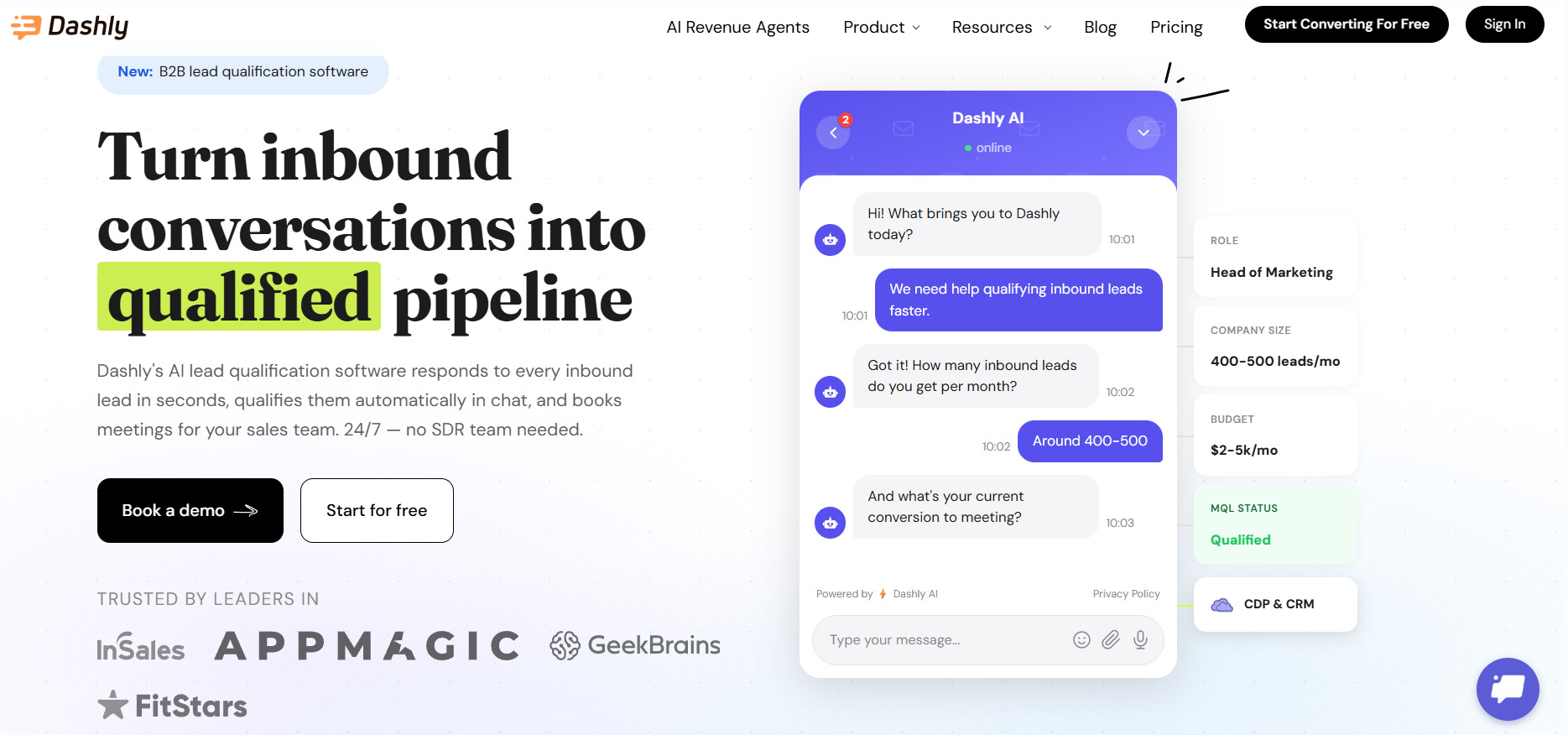
Dashly is a conversation-driven AI platform designed to optimize the sales funnel and double your inbound pipeline without increasing sales costs. With powerful tools like conversational quizzes, AI outreach, and data-driven scoring, Dashly enables product startups and mid-size SaaS companies to create a seamless journey from the first inquiry to a booked meeting.
Trusted by many forward-thinking companies, Dashly empowers teams to qualify leads, prioritize them, and efficiently guide them to conversion.
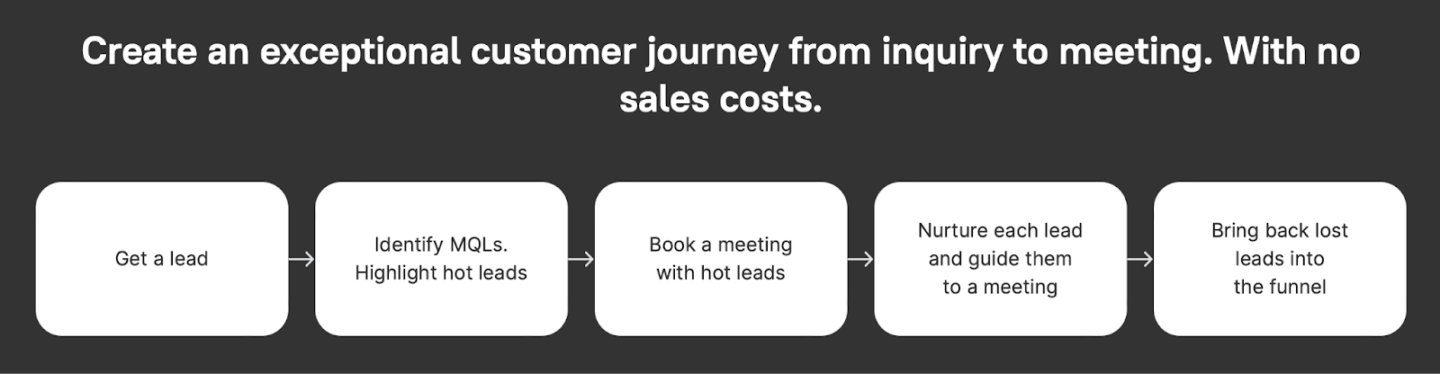
Sales Funnel Tools
Dashly’s key sales funnel tools include:
- Conversational Quiz: Engages prospects in interactive conversations to gather qualification data, resulting in up to 80% lead qualification and 1.5x more quality leads.
- Data-Driven Scoring: Automatically segments leads into ready-made ABC categories based on conversion potential, saving time and removing manual lead qualification.
- AI Outreach: Dashly’s AI Sales Development Representative (SDR) conducts personalized interactions, nurturing and guiding leads to the next stage without manual intervention.
Pricing
Dashly offers flexible, on-demand pricing, ensuring that you only pay for the features you need based on your website traffic. This model is ideal for scaling businesses that require adaptability as they grow.
Pros and Cons
Pros
- Comprehensive Features: Combines live chat, chatbots, automated outreach, and detailed lead scoring in one platform.
- Flexible Pricing: On-demand pricing adapts to your traffic and growth, making it cost-effective.
- High Lead Qualification: The conversational quiz helps achieve high engagement and qualification rates, leading to more quality leads.
Cons
- Learning Curve: The wide range of features may require time to master.
- Higher Costs with Increased Traffic: While pricing is flexible, high traffic volumes can lead to increased costs.
Dashly stands out as a robust, user-friendly sales funnel software that effectively nurtures leads and boosts conversions. It’s perfect for businesses seeking a scalable, AI-driven platform to engage, qualify, and guide prospects through the funnel seamlessly.
Double your SaaS sales funnel conversion with Dashly AI
⭐ Engage prospects with conversational quiz
⭐ Reach out in their preferrable channel
⭐ Automate lead nurturing with personalized AI sequences
HubSpot
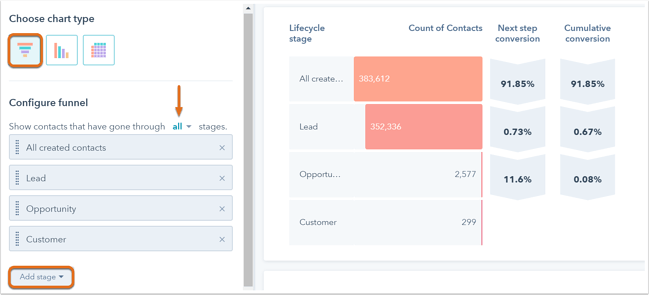
Best for: All-in-one CRM and funnel management
HubSpot offers a full suite of sales and marketing tools that are great for growing businesses. It helps teams track leads, analyze funnel performance, and automate outreach. With HubSpot, you can easily customize your funnel stages, manage contacts, and set up automated workflows to nurture leads across their journey. Plus, their analytics make it easy to see where leads are converting — and where they’re not.
GetResponse
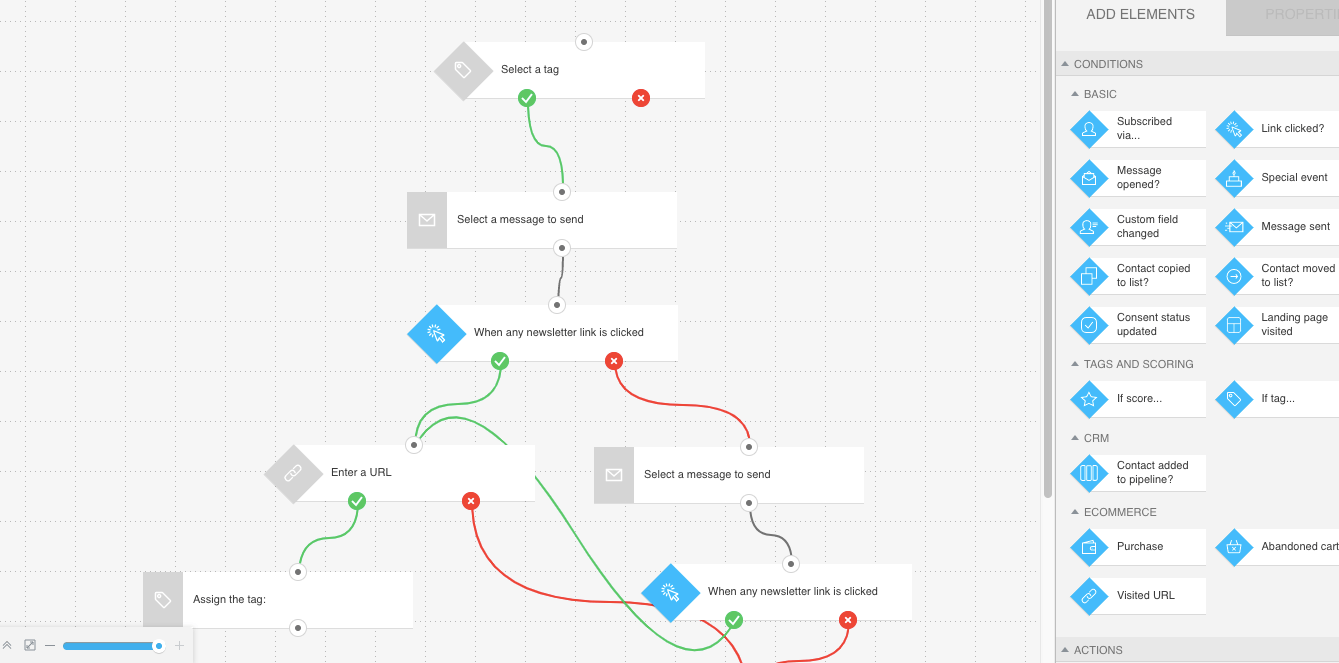
GetResponse is a long-standing player in the sales funnel software market. It is trusted by product startups and mid-sized SaaS companies looking to grow their inbound sales and streamline their marketing efforts. With over 20 years in the industry, it’s well-regarded for its all-in-one capabilities, helping businesses set up funnels, manage leads, and automate critical sales processes.
The software’s main appeal is its easy-to-use design, which supports multi-channel marketing while guiding leads through every funnel stage. If you’re after a tool for email marketing, landing pages, and even webinars, GetResponse has you covered.
Features of the Sales Funnel Software
- Email Automation: Easily automate lead-nurturing emails at every funnel stage, freeing up time for your team.
- Landing Page Builder: Customizable, drag-and-drop landing page templates help capture leads right within the sales funnel.
- Webinars: Host live or recorded webinars to engage potential customers and build trust in your product.
- Sales Funnel Templates: Pre-designed funnel templates make it easy to jumpstart the lead journey, whether you’re capturing or converting.
- CRM Capabilities: Manage, tag, and segment contacts with basic CRM features for smooth lead tracking.
- Analytics & Reporting: Real-time analytics give you a window into what’s working in your funnel — and what’s not.
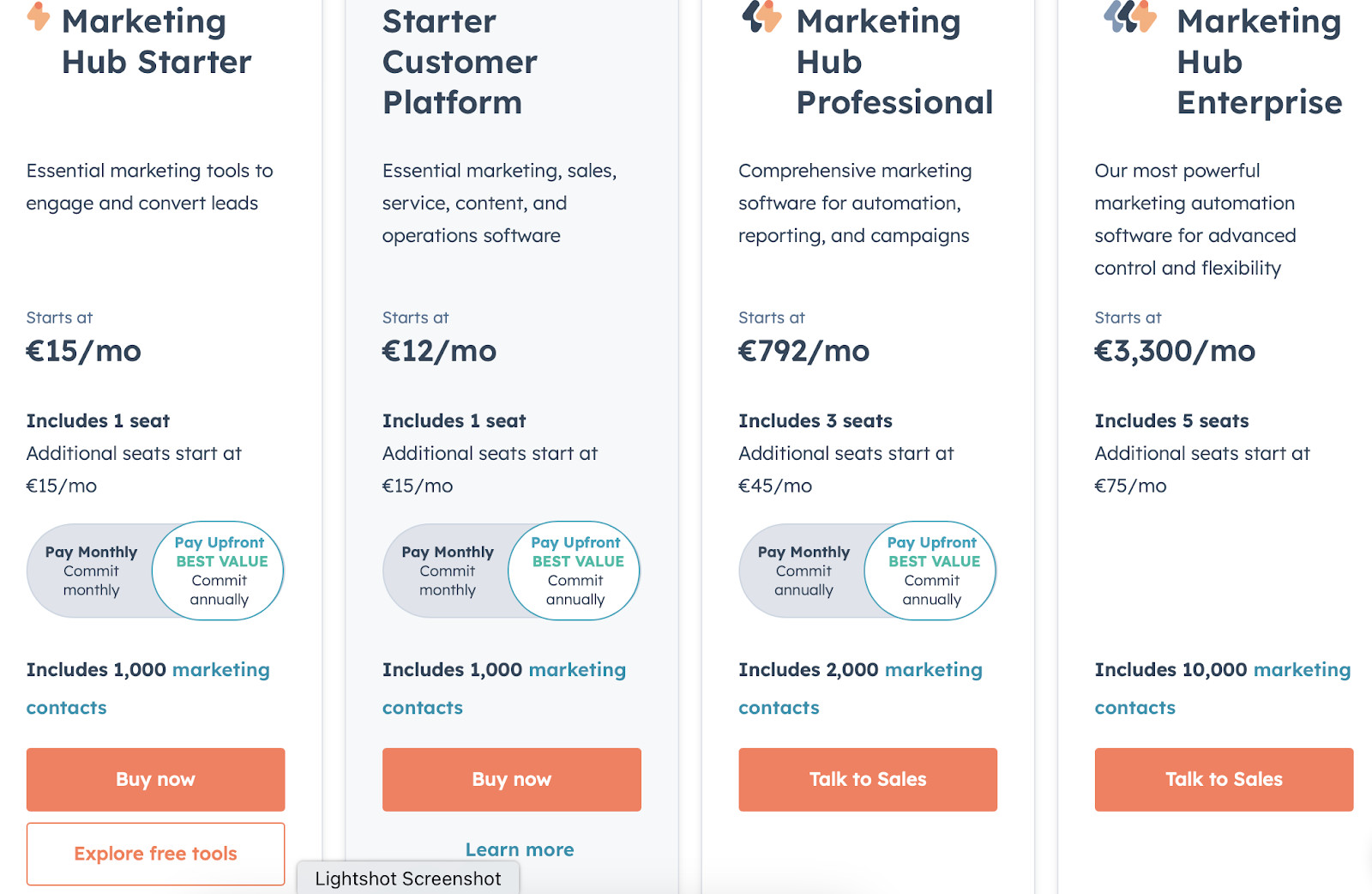
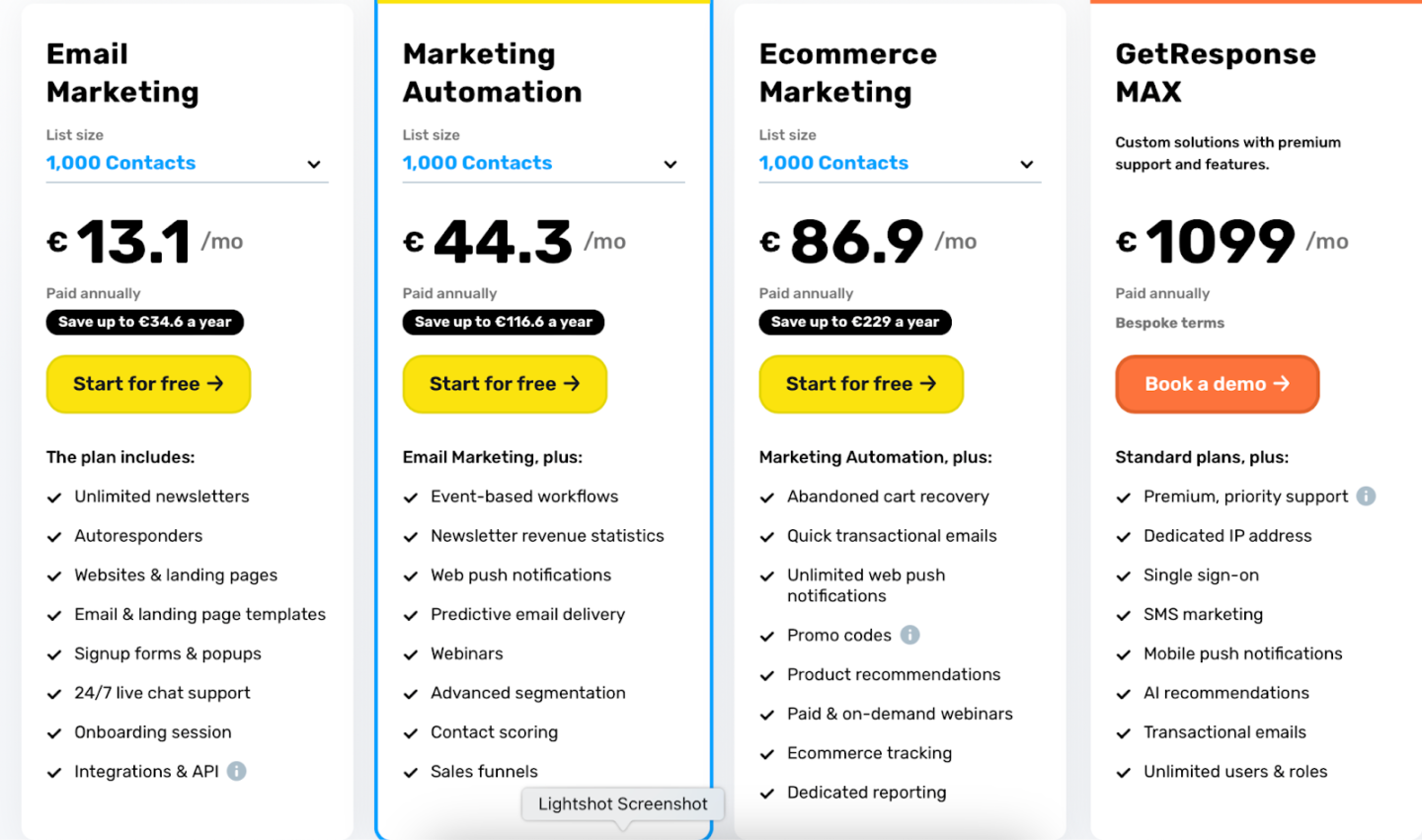
Pricing
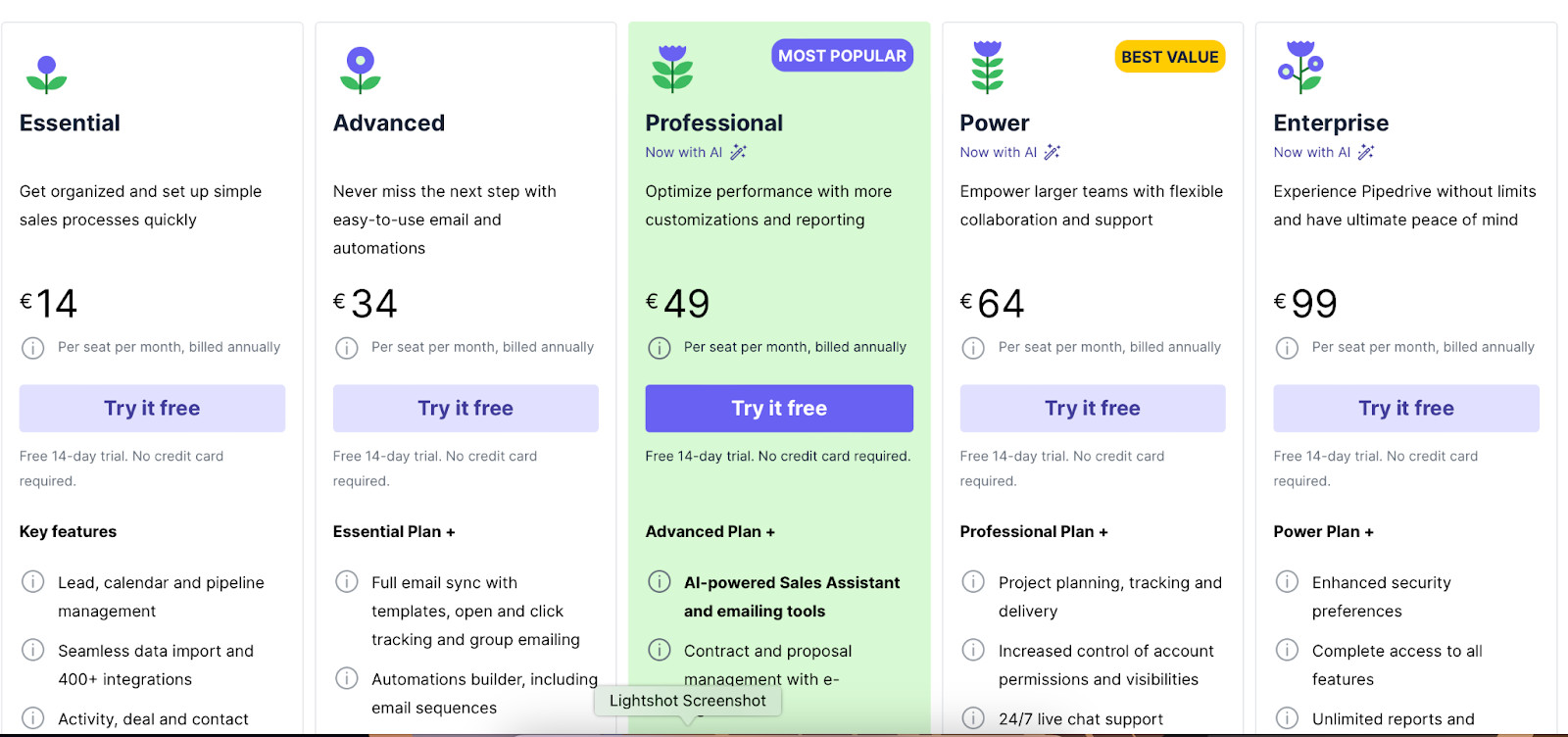
Pipedrive
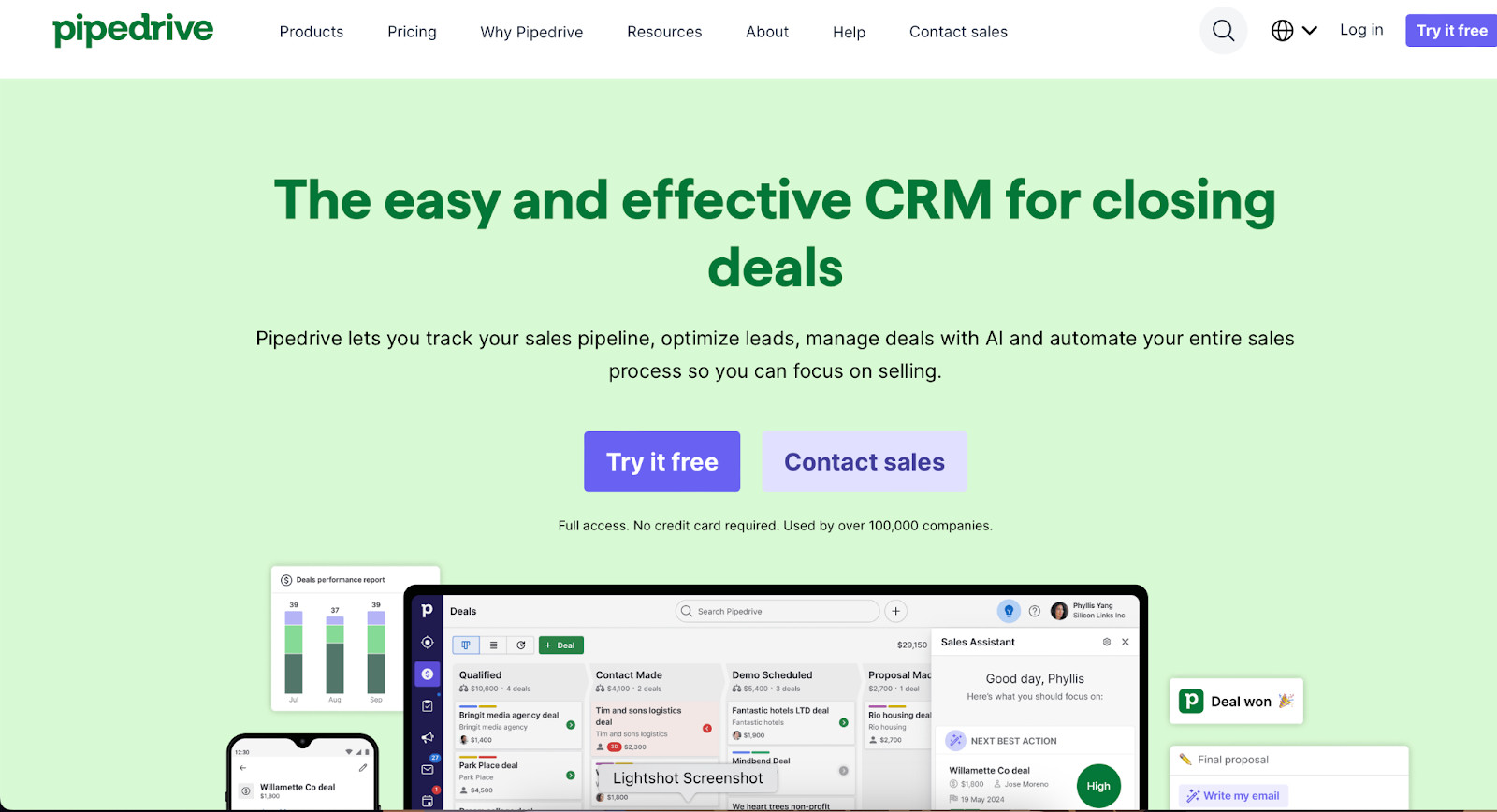
Best for: Visual pipeline management
Pipedrive is designed for simplicity, giving reps a visual way to manage sales processes and track leads across stages. It’s a favorite for small-to-medium teams who want a straightforward tool to manage their sales funnel.
Pipedrive’s intuitive interface makes it easy to see each lead’s position in the funnel, and with automated reminders, reps never miss a follow-up.
ActiveCampaign
Best for: Email marketing and automation
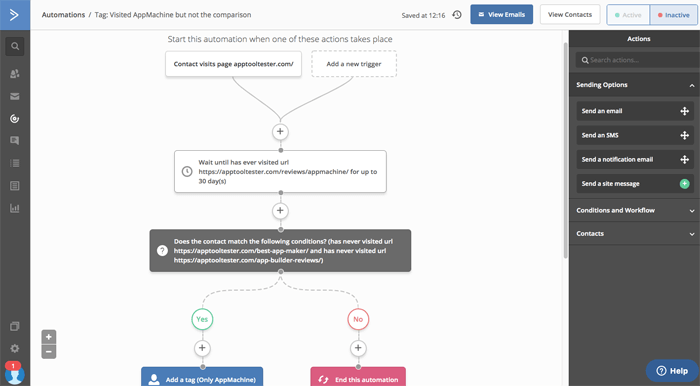
ActiveCampaign combines CRM and email automation, making it ideal for nurturing leads in the early funnel stages. With powerful segmentation, you can tailor email sequences based on lead behavior, keeping potential customers engaged.
It’s a great choice for businesses looking to build long-term relationships with leads through personalized, automated outreach.
ConvertKit
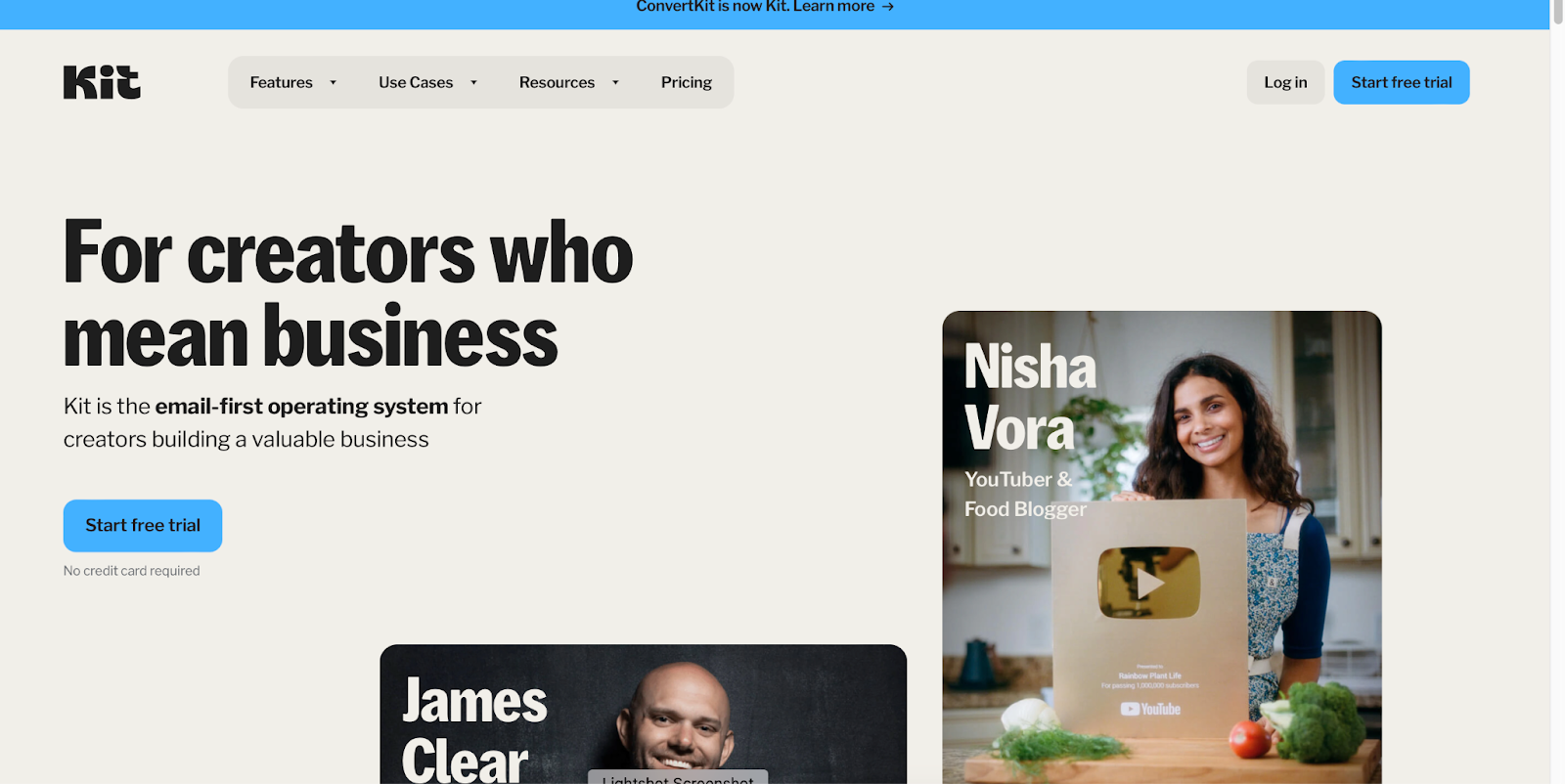
ConvertKit is email marketing and sales funnel software favored by creators, small businesses, and entrepreneurs. Launched in 2013, it’s designed to help users build subscriber lists, automate email sequences, and create customized sales funnels without needing extensive technical skills.
Businesses that rely on strong customer engagement and list segmentation find ConvertKit especially valuable because of its user-friendly design, detailed automation capabilities, and robust tagging for personalizing email content.
Software Features for Your Sales Team
- Visual Automation Builder: An intuitive, drag-and-drop builder that makes it easy to create and manage email funnels.
- Segmentation and Tagging: Segment subscribers based on behavior and preferences, allowing for highly targeted and relevant content.
- Landing Pages and Forms: Customizable landing pages and opt-in forms are used to capture leads directly on the platform.
- Email Sequences and Broadcasts: Schedule targeted email sequences and send broadcast emails for timely engagement with subscribers.
- Commerce Integration: Allows users to sell digital products and subscriptions, helping turn email engagement into sales.
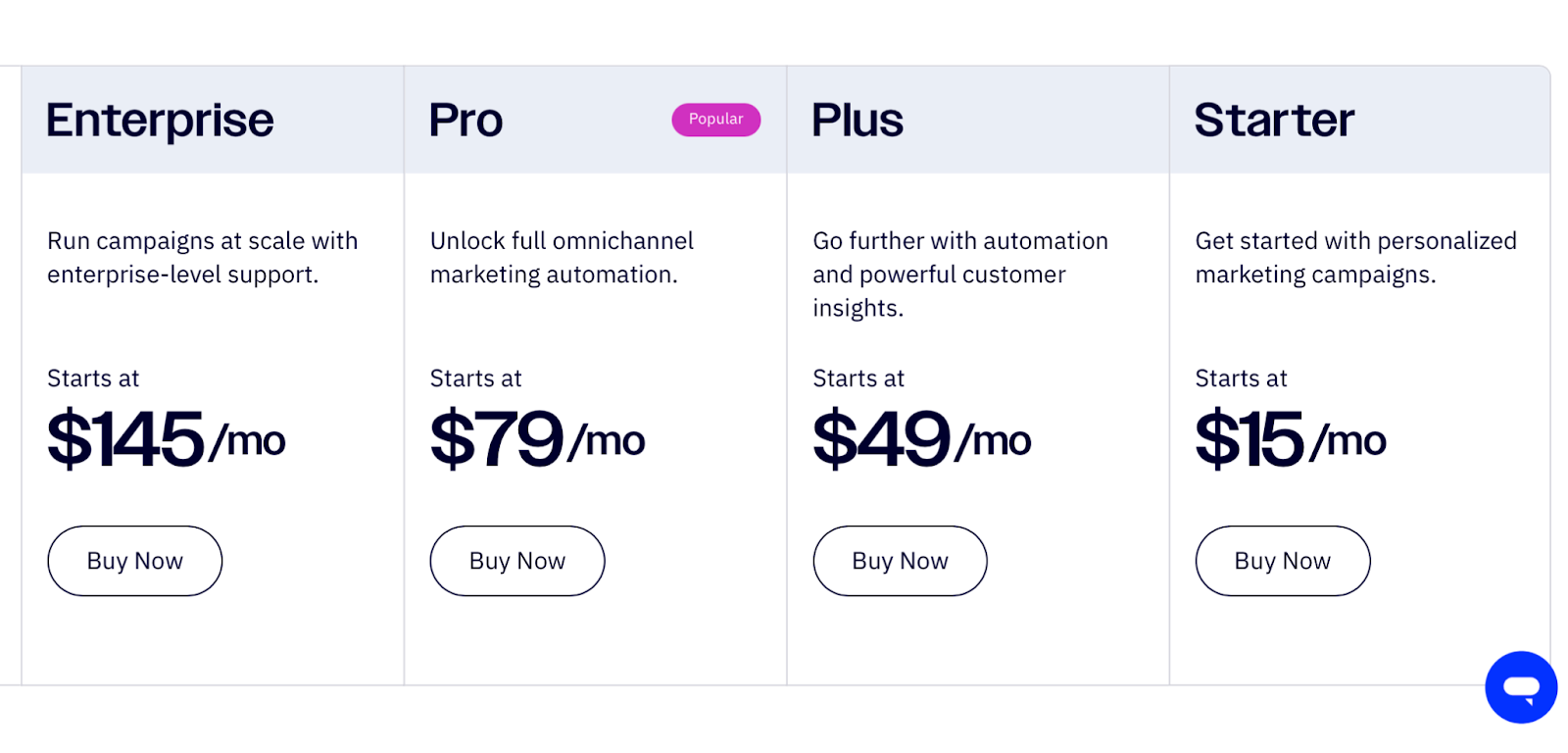
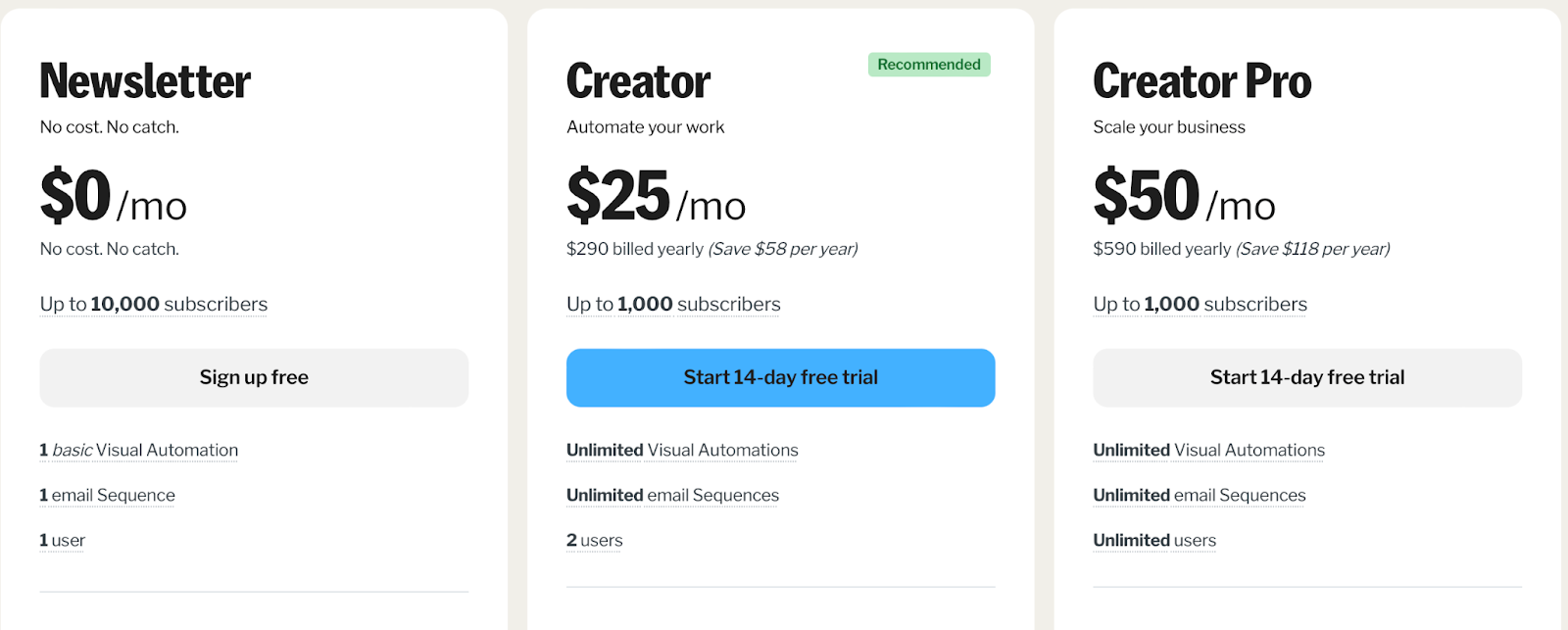
Pricing
ClickFunnels
Best for: Landing pages and funnel design
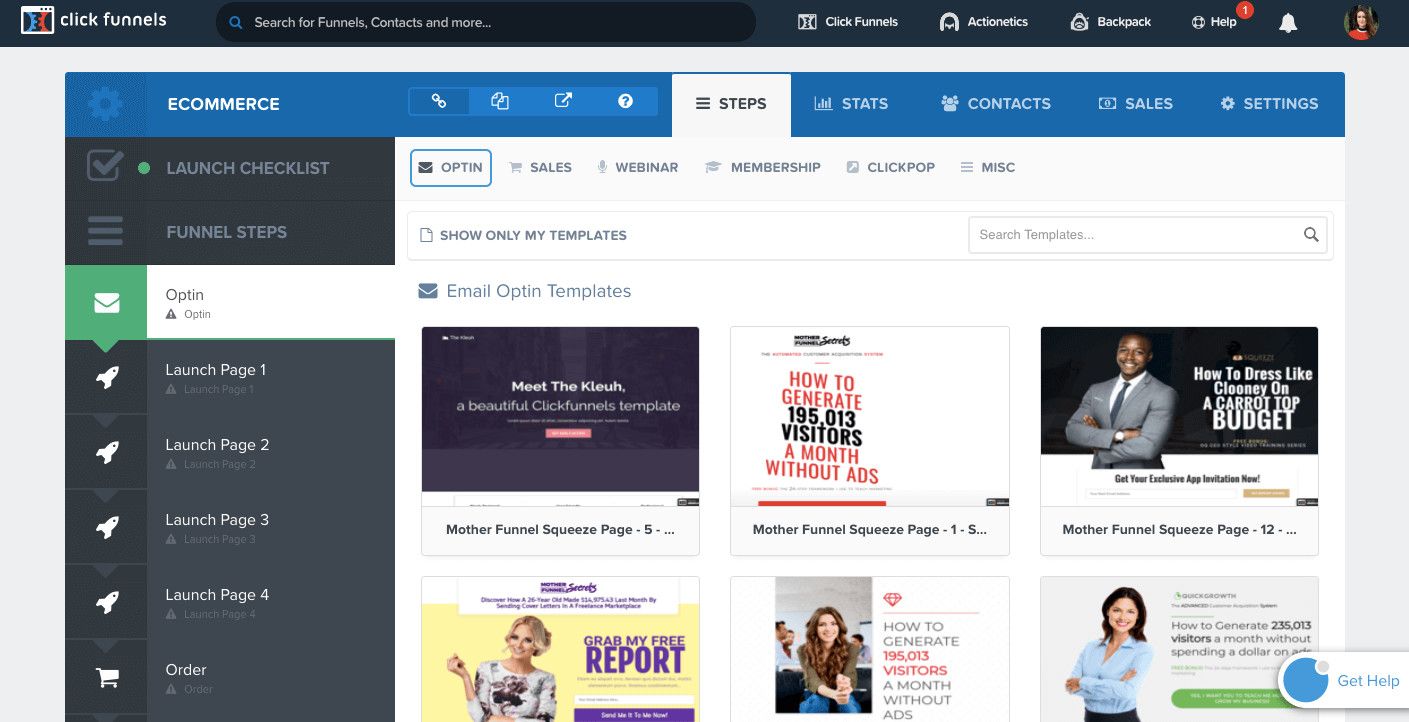
ClickFunnels is a specialized tool for creating conversion-focused landing pages. It’s not a full CRM, but if your goal is to capture leads through specific funnel stages, ClickFunnels is powerful. It guides visitors through a step-by-step journey, making it easy to capture requests and move potential customers toward the next stage in your sales funnel.
Find more tools in the article: TOP 15 best sales funnel software to grow the number of deals closed
How to build a sales funnel management plan
Building a sales funnel management plan is about mapping out every step to convert more leads into demos and, eventually, purchases. Let’s break it down:
1. Define your funnel stages
Keep it simple but clear. At Dashly, we map out each funnel stage from first contact to purchase. Every step must make sense for guiding leads forward. Too many stages can overwhelm, so we focus on what’s necessary — no fluff. This keeps leads engaged without unnecessary steps.
2. Map the customer journey
Think from the customer’s perspective. For example, many leads start by reading our blog, then move to a demo request.
So, we created specific content and nudges for each point in that journey. Knowing where leads come from and what they look for helps us plan our efforts where they’ll have the most impact.
3. Create content that fits
Content is key at each stage. Early on, we use educational pieces — guides and articles that spark interest. When they’re closer to buying, we shift to case studies and personalized demo videos.
We even A/B test content types to see what works best. Personalizing content like this helps us give leads exactly what they need, which builds trust.
4. Automate key programs
Automation frees us up. For instance, if a lead downloads a white paper, they automatically receive follow-up emails about our product’s relevant features. This approach lets us stay connected without constant manual effort and ensures leads don’t drop off.
5. Qualify your leads
Not every lead is ready, and that’s okay. We use behavior-based triggers, like visiting our pricing page, to know when someone’s closer to a purchase. This way, our team focuses efforts on leads that are more likely to convert, which maximizes our impact. We’ve found that this kind of prioritization really improves efficiency.
6. Track what’s working
Monthly, we dig into the numbers. Are demo requests up? What content resonates?
Tracking lets us spot patterns and make data-backed decisions. For instance, we noticed a spike in conversions after adding personalized follow-up emails, so we expanded that effort. Constant tracking means we’re always in tune with what drives results.
7. Keep improving
Funnels need adjustments. If we see drop-offs, we test new approaches. Recently, we tweaked our follow-up sequence for inactive leads and saw an uptick in engagement. Keeping the funnel flexible lets us adapt to changing behaviors and ensures leads stay engaged as they move toward purchase.
How Dashly can double your company leads
Dashly makes doubling your leads straightforward by optimizing every step, from demo requests to attendance. Here’s how we do it:
- Quick Qualification
Automated tools qualify each lead fast, ensuring only high-potential prospects move forward. This way, your SDRs can focus on valuable leads without wasting time. - Personalized Nurturing
Once qualified, leads receive personalized follow-ups that keep them engaged and excited for the demo. Every touchpoint is crafted to prevent drop-offs. - Real-Time Insights
With real-time analytics, your team knows exactly where each lead stands. This allows for quick adjustments to keep momentum strong and leads on track.
In short, Dashly helps your team fill demos with committed, well-qualified prospects, turning interested leads into actual sales opportunities.
Let us show you how our platform can fill your funnel with quality leads and drive real sales opportunities.
Schedule a demo today and discover how Dashly can make a difference for your team!
⭐ Engage prospects with conversational quiz
⭐ Reach out in their preferrable channel
⭐ Automate lead nurturing with personalized AI sequences
FAQs
Sales funnel management is the process of guiding leads through each stage of the funnel to maximize conversions. It’s essential because it helps focus efforts on high-quality leads, reduces drop-offs, and ultimately increases sales.
Track key metrics like conversion rates at each stage, lead qualification rates, and time to close. An effective funnel shows steady progress from interest to purchase, with minimal drop-offs and strong engagement at each step.
Tools like Dashly, HubSpot, and Salesforce provide insights and automation to manage leads, qualify prospects, and track funnel performance, making the process smoother and more scalable.
The core stages are Awareness, Interest, Consideration, Intent, Purchase, and Retention. Each stage requires different tactics: content and ads at Awareness, qualification and demos at Intent, onboarding and upsells at Retention. Most B2B teams also track pipeline stages within each funnel stage to manage individual deals in parallel.
A sales funnel shows the buyer journey from first contact to purchase. It is a marketing and strategy view. A sales pipeline shows a rep’s deal list and next actions. It is an operational view. Both are needed: the funnel tells you where to improve; the pipeline tells you what to do today.
Track four core metrics: conversion rate at each stage, sales cycle length (average days from contact to close), pipeline velocity (revenue generated per day), and lead-to-close rate. B2B SaaS benchmarks: demo-to-close 15-25%, average cycle 60-90 days, lead-to-close rate 1-3%.
AI automates three high-impact tasks: lead qualification (scoring leads A/B/C by behavior without manual review), outreach personalization (sending follow-ups tailored to each lead’s stage and actions), and meeting booking (routing qualified leads directly to calendar). Dashly AI agents handle all three, reducing time-to-meeting for B2B SaaS teams significantly.
<Top-of-funnel (ToFu) activities focus on awareness and interest: content, ads, and first-touch outreach aimed at a broad audience. Bottom-of-funnel (BoFu) activities target leads who are close to a decision: demos, pricing conversations, and case studies tailored to a specific buyer. ToFu work grows the pipeline; BoFu work closes it.